Why incorporate a picture rail from the design stage of your office spaces?
In modern tertiary projects, development challenges are no longer limited to the simple distribution of spaces. Companies are now looking for offices that can evolve quickly, enhance their brand image, and improve employee well-being.
To meet these requirements, every architectural detail matters. Among the solutions still largely unknown to real estate and development professionals, the integrated ceiling picture rail stands out as a particularly relevant piece of equipment.
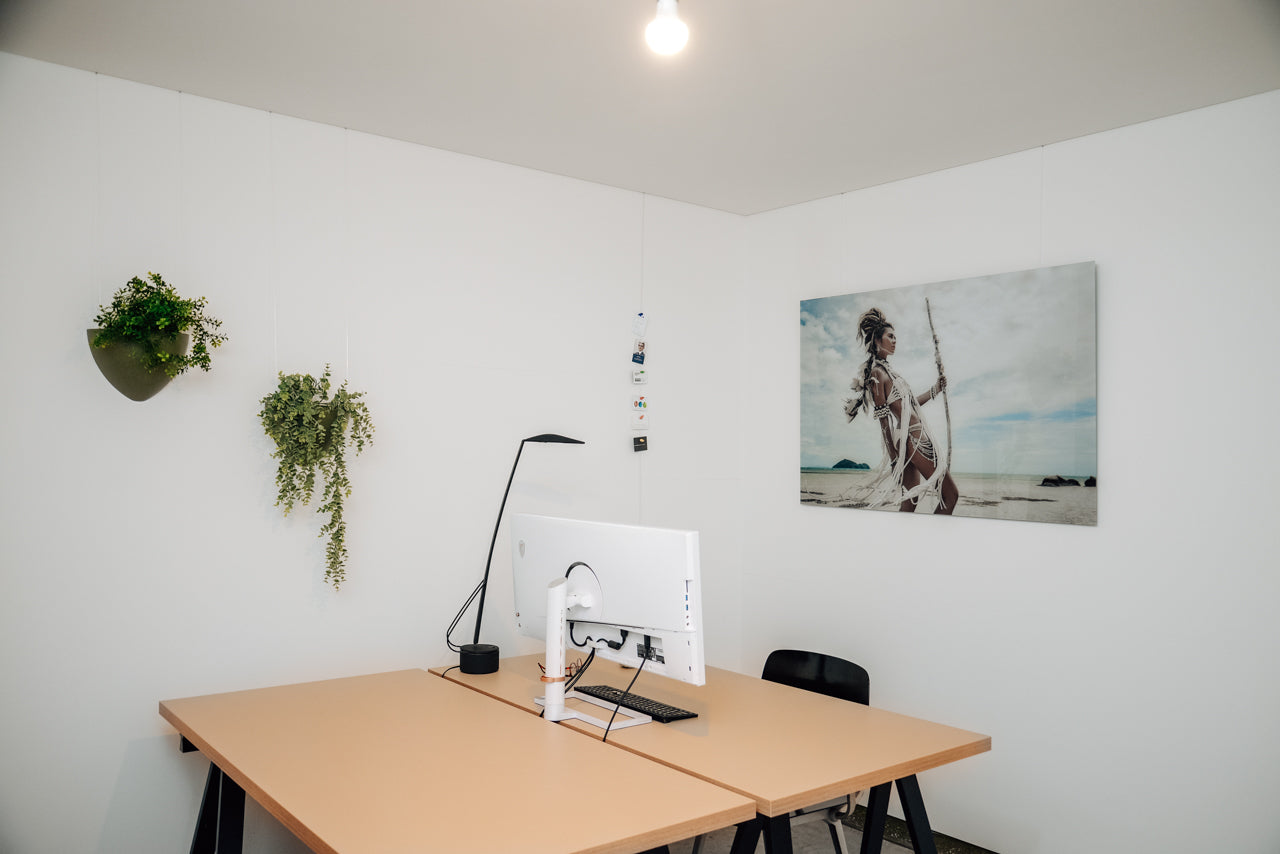
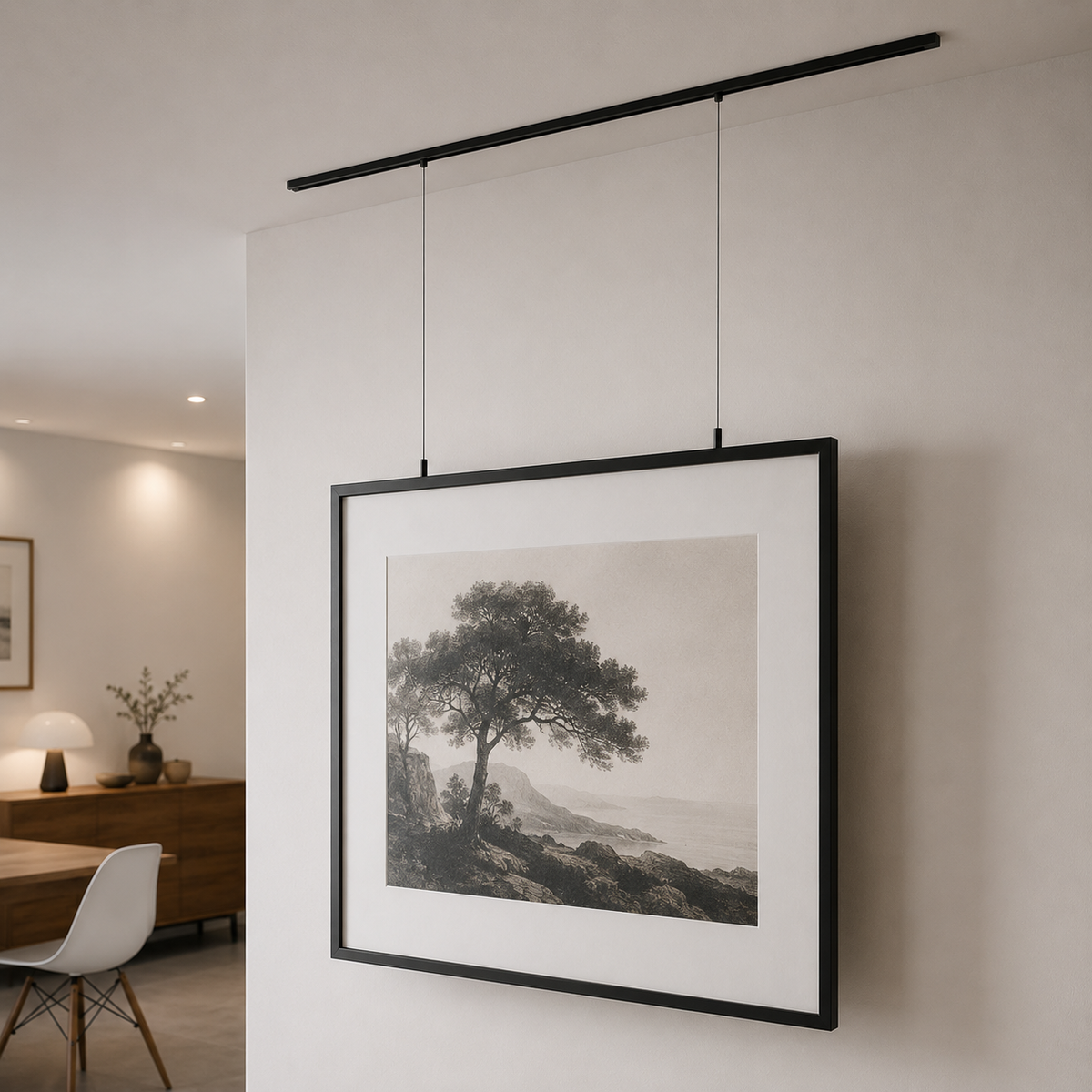
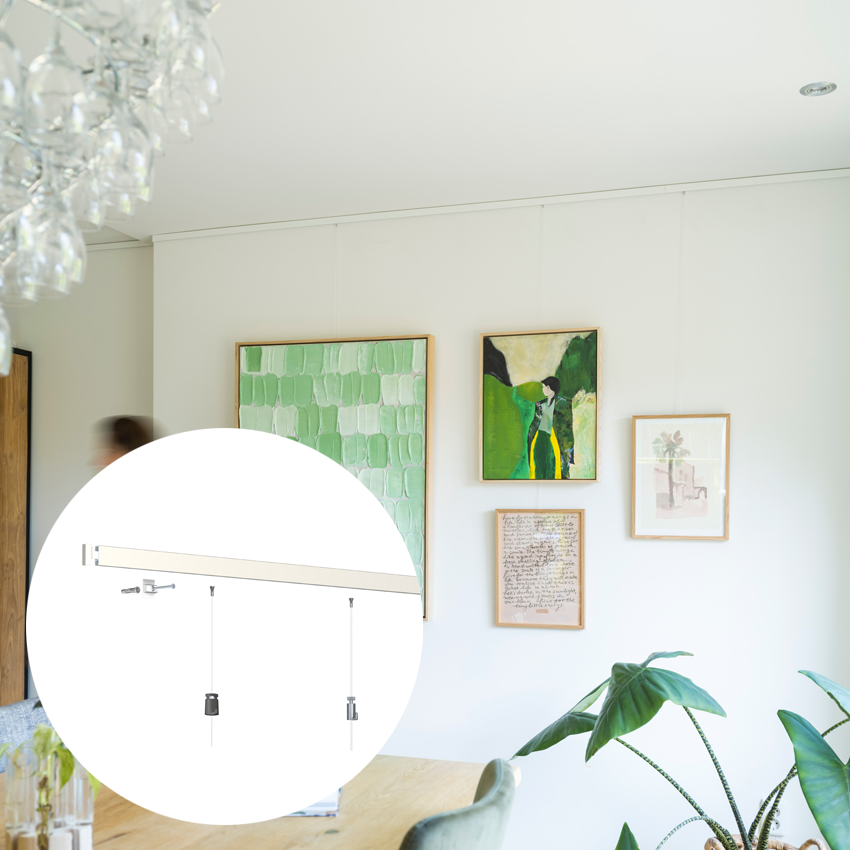
Unlike traditional picture rails installed after construction, this system is directly integrated during the suspended ceiling installation. The hanging rail then becomes completely invisible while remaining accessible for suspending paintings, signage, decorative panels, or communication elements.

Why incorporate a picture rail from the design stage of your office spaces?
In modern tertiary projects, development challenges are no longer limited to the simple distribution of spaces. Companies are now looking for offices that can evolve quickly, enhance their brand image, and improve employee well-being.
To meet these requirements, every architectural detail matters. Among the solutions still largely unknown to real estate and development professionals, the integrated ceiling picture rail stands out as a particularly relevant piece of equipment.
Unlike traditional picture rails installed after construction, this system is directly integrated during the suspended ceiling installation. The hanging rail then becomes completely invisible while remaining accessible for suspending paintings, signage, decorative panels, or communication elements.


A solution that must be anticipated from the design phase
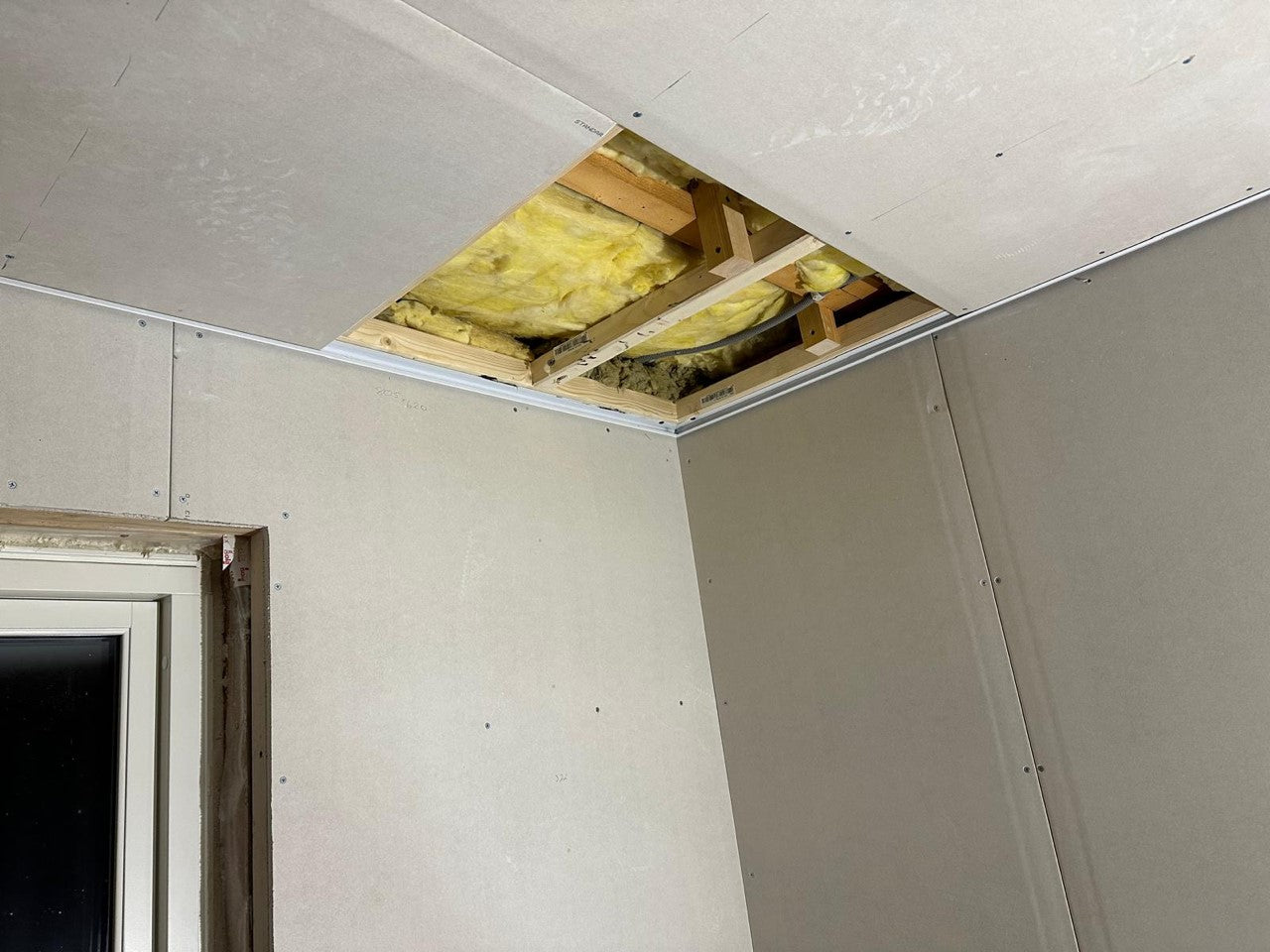
One of the main advantages of an integrated picture rail is also its primary characteristic: it is not installed once the work is completed. Its integration must be planned upstream, during:
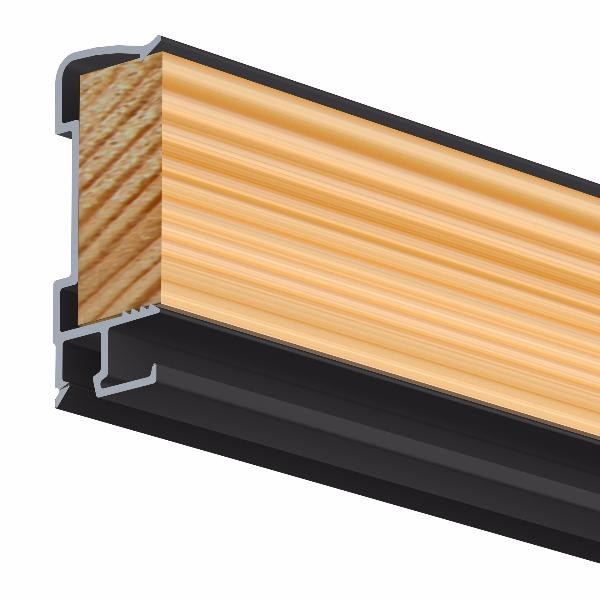
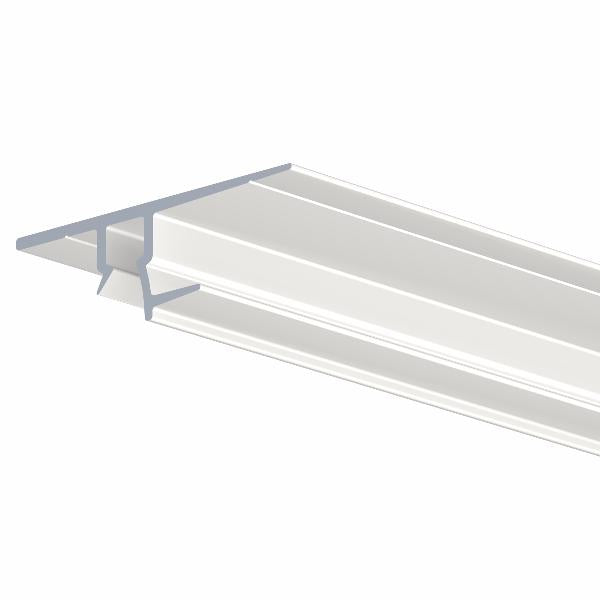
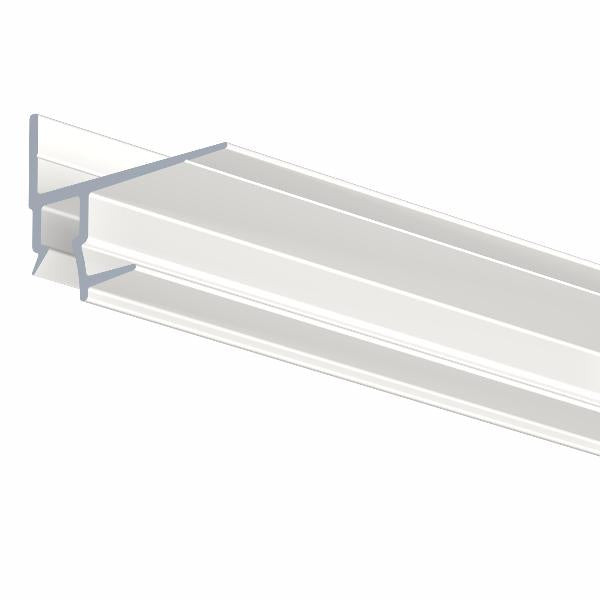
Integrated picture rail systems are designed to be incorporated directly into false ceilings or into the junction between walls and the ceiling. Once construction is complete, only a discreet technical gap remains visible. This foresight results in a particularly clean finish, perfectly suited to the aesthetic requirements of contemporary offices.

A solution that must be anticipated from the design phase
One of the main advantages of an integrated picture rail is also its primary characteristic: it is not installed once the work is completed. Its integration must be planned upstream, during:
Integrated picture rail systems are designed to be incorporated directly into false ceilings or into the junction between walls and the ceiling. Once construction is complete, only a discreet technical gap remains visible. This foresight results in a particularly clean finish, perfectly suited to the aesthetic requirements of contemporary offices.
Why are office designers increasingly interested in integrated picture rails?
Preserving the aesthetic appeal of spaces
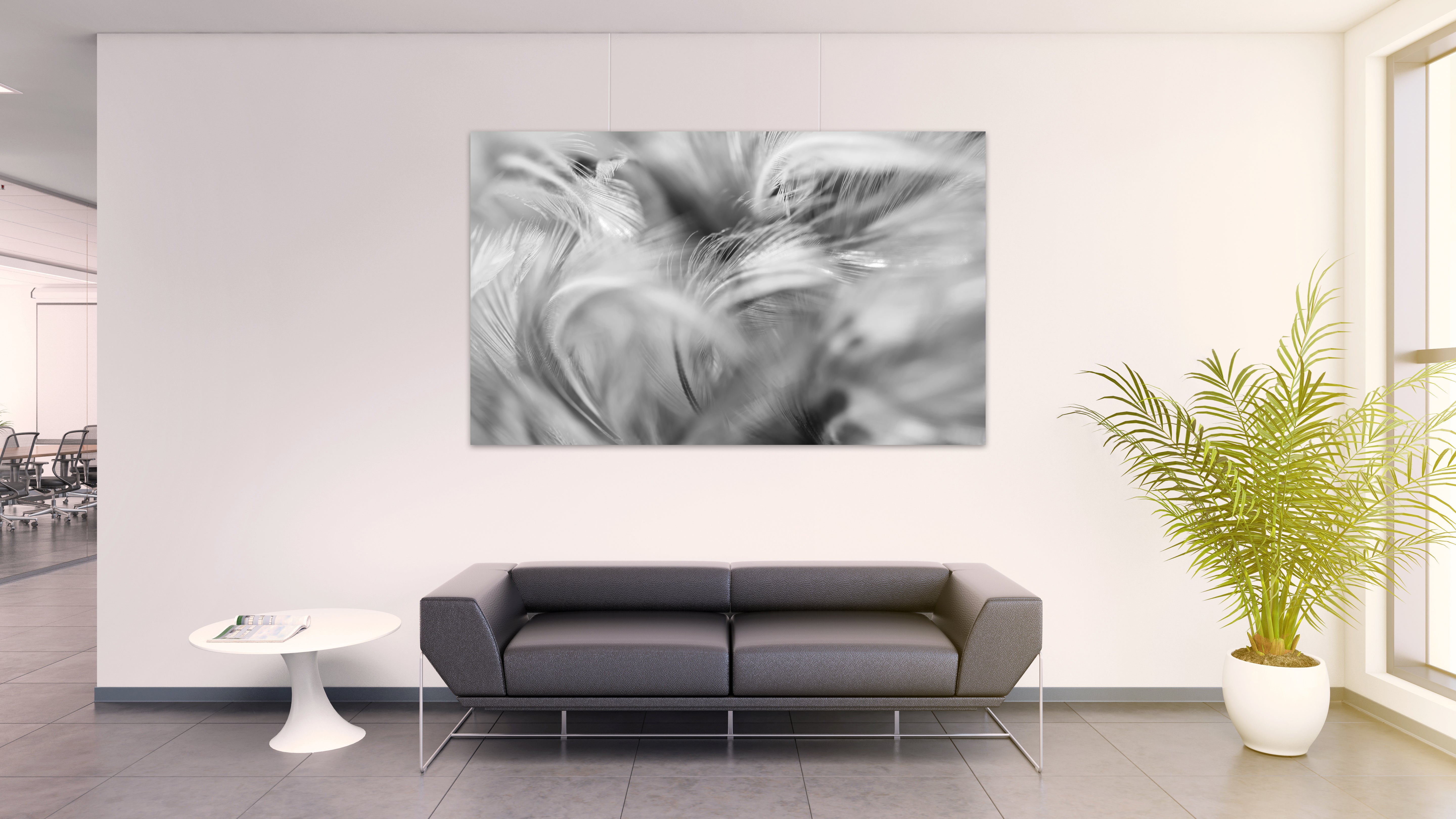
In high-end office spaces, real estate departments and architects aim to limit visible technical elements. An integrated picture rail helps maintain perfectly smooth walls, without visible tracks, while providing permanent hanging capability.
Facilitate future developments
Businesses regularly modify their spaces:
With an integrated picture rail, it becomes possible to move or replace suspended items without drilling new holes or damaging wall surfaces. This flexibility is a real asset for commercial buildings designed to last.
Reduce maintenance costs
In an office building, every intervention on the walls generates:
Installing a permanent hanging system avoids these repeated interventions and helps maintain the quality of finishes over time.


A response to the expectations of real estate developers
For developers and investors, the value of a building is also measured by its adaptability. Spaces that can evolve quickly are more attractive to future occupants.
By integrating an invisible hanging solution from the construction phase, buildings benefit from:
Integrated picture rails are thus part of a sustainable and evolving commercial building strategy.

A response to the expectations of real estate developers
For developers and investors, the value of a building is also measured by its adaptability. Spaces that can evolve quickly are more attractive to future occupants.
By integrating an invisible hanging solution from the construction phase, buildings benefit from:
Integrated picture rails are thus part of a sustainable and evolving commercial building strategy.
A solution particularly suited to contemporary architectural projects
Current trends favor:
Integrated picture rail systems in false ceilings perfectly align with this approach by eliminating any visual break between the wall and the ceiling. Some models are even designed to completely blend into the shadow lines of suspended ceilings.
For interior designers and architectural firms, this discretion represents a real advantage when designing high-end projects.

A solution particularly suited to contemporary architectural projects
Current trends favor:
Integrated picture rail systems in false ceilings perfectly align with this approach by eliminating any visual break between the wall and the ceiling. Some models are even designed to completely blend into the shadow lines of suspended ceilings.
For interior designers and architectural firms, this discretion represents a real advantage when designing high-end projects.

Which projects can benefit from an integrated picture rail?
Offices and Headquarters
For displaying works of art, photographs, internal signage, and communication materials.
Coworking spaces
To allow for frequent layout changes without construction work.
Hotels and serviced apartments
To easily refresh decorative elements.
Public access buildings
To set up temporary exhibitions or institutional displays.
Premium Real Estate Developments
To provide a superior finish and better adaptability of spaces upon delivery.
Une cimaise intégrée au faux plafond est un rail d’accrochage directement incorporé au plafond suspendu ou à la jonction entre le mur et le plafond. Le système reste ainsi très discret, voire invisible une fois les travaux terminés, tout en permettant de suspendre tableaux, signalétique, panneaux décoratifs ou supports de communication.
Oui, certains systèmes sont spécifiquement conçus pour être intégrés aux faux plafonds, cloisons en placo ou jonctions mur-plafond. Leur mise en œuvre doit toutefois être prévue avant la fin des travaux afin de permettre leur intégration correcte dans l'architecture du plafond.
La cimaise intégrée doit être anticipée dès la phase de conception ou de préparation du chantier. Elle doit notamment être prise en compte lors de la conception des plafonds suspendus et de la coordination des différents lots du second œuvre. Cette anticipation permet d'obtenir une intégration propre sans devoir ajouter un rail visible après les travaux.
Une cimaise intégrée permet de conserver des murs sans rails apparents tout en offrant une solution d'accrochage permanente. Elle facilite également le renouvellement de la décoration, de la signalétique ou de la communication interne sans multiplier les perçages et les reprises de peinture.
Selon le système choisi et sa capacité de charge, une cimaise intégrée peut servir à suspendre différents éléments : tableaux, photographies, panneaux décoratifs, signalétique ou supports de communication. Elle peut donc être utilisée aussi bien pour la décoration que pour les besoins fonctionnels d'un espace professionnel.
Cette solution convient notamment aux bureaux et sièges sociaux, espaces de coworking, hôtels, résidences services, établissements recevant du public et programmes immobiliers premium. Elle est particulièrement intéressante lorsque les espaces doivent pouvoir évoluer régulièrement tout en conservant une finition architecturale soignée.

Un profil cache-rideaux permet de dissimuler facilement une tringle ou un rail, tout en créant une finition élégante au plafond. Certains profils comme le Ledge d’Orac vont plus loin en intégrant é...

Comment créer une déco industrielle sans refaire tout son intérieur ?
Vous aimez le style industriel, mais votre intérieur n’a rien d’un ancien atelier ou d’un loft new-yorkais ? Bonne nouvelle : il n’est pas nécessaire de remplacer votre canapé, votre table, vos lum...

Accrochage sécurisé d’œuvres d’art à domicile : une prestation premium pour les collectionneurs
Vous venez de faire l’acquisition d’œuvres d’art et vous souhaitez les installer chez vous ? C’est pourquoi nous proposons une prestation d’accrochage et d’installation d’œuvres d’art à domicile, d...