Décoration murale

Ceiling rose: how to choose and install it? Complete guide

Rosace de plafond : comment bien la choisir et la poser ? Guide complet

It's sometimes difficult to give your interior a unique character. Paint, wallpaper, skirting boards, picture frames... everything is good for creating a personal atmosphere at home. And yet sometimes it all depends on a detail. What if that detail was the ceiling?

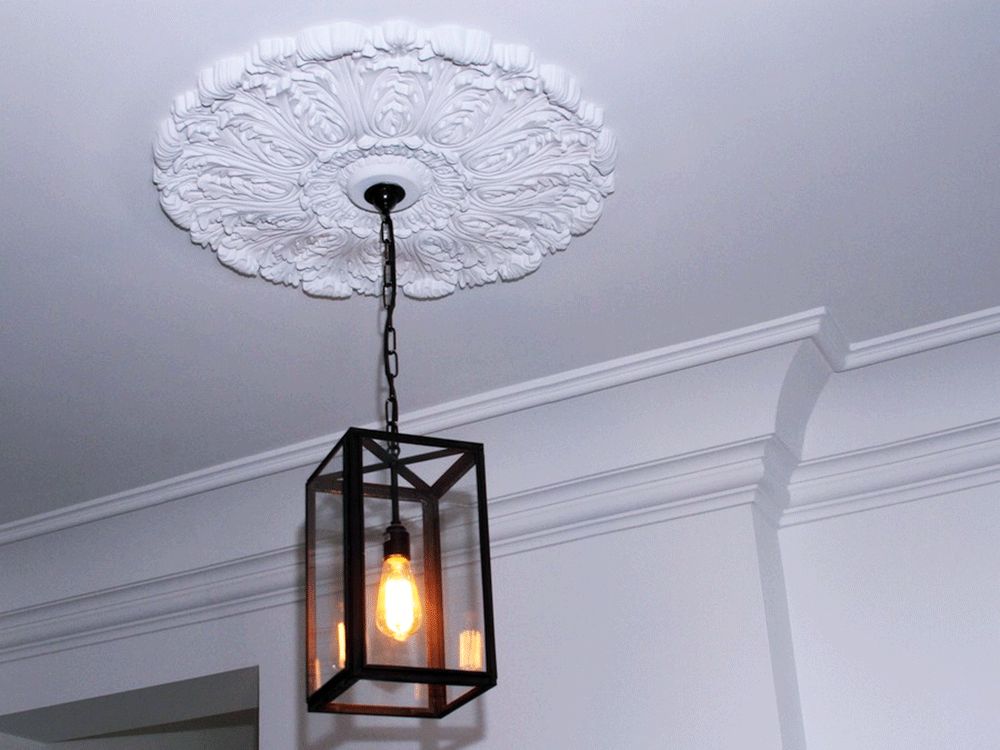
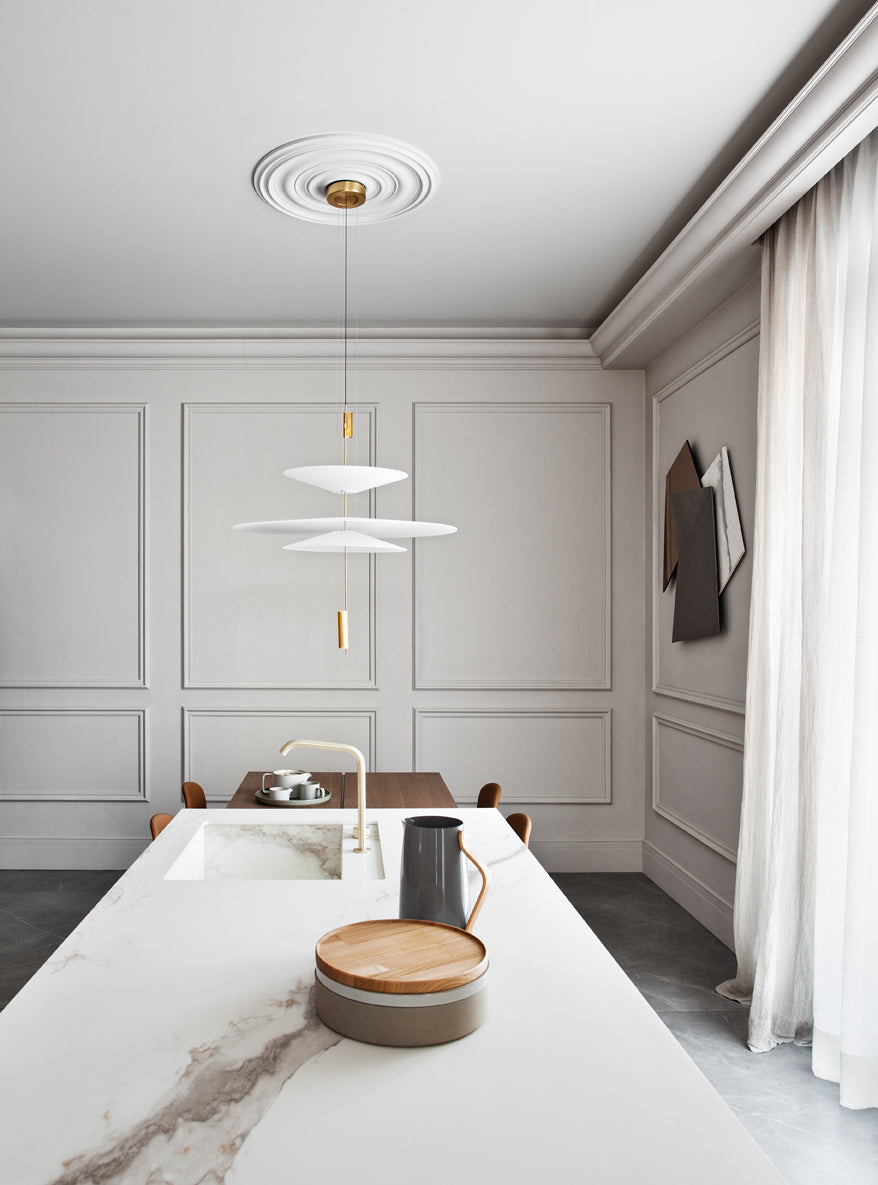
Available in a variety of sizes and shapes, rosettes can be placed decoratively on the ceiling or wall. They are very useful for highlighting a light fixture, concealing a flaw, or hiding cables. Their presence adds a touch of elegance and provides a true finishing touch to the room.
What is a ceiling rose?

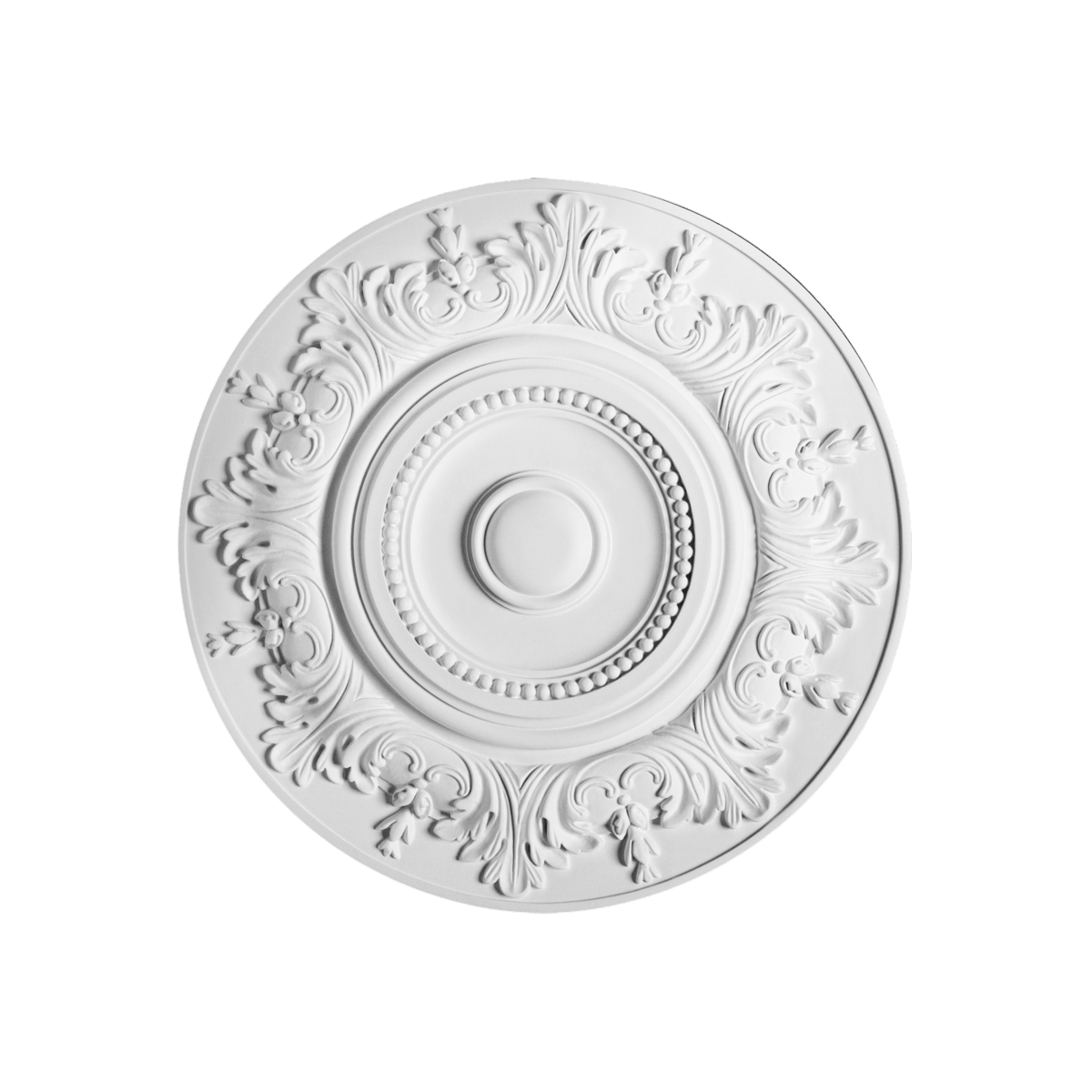
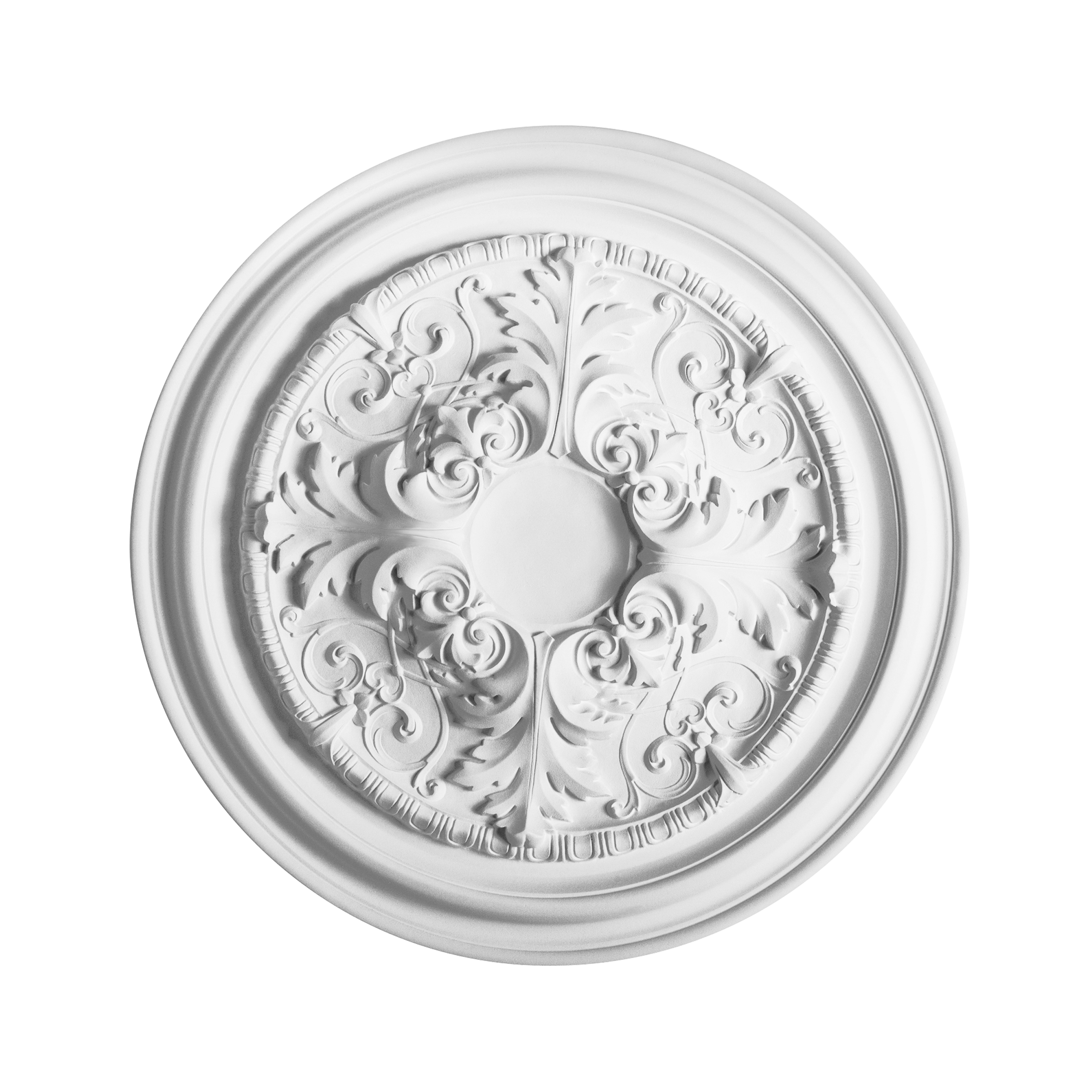
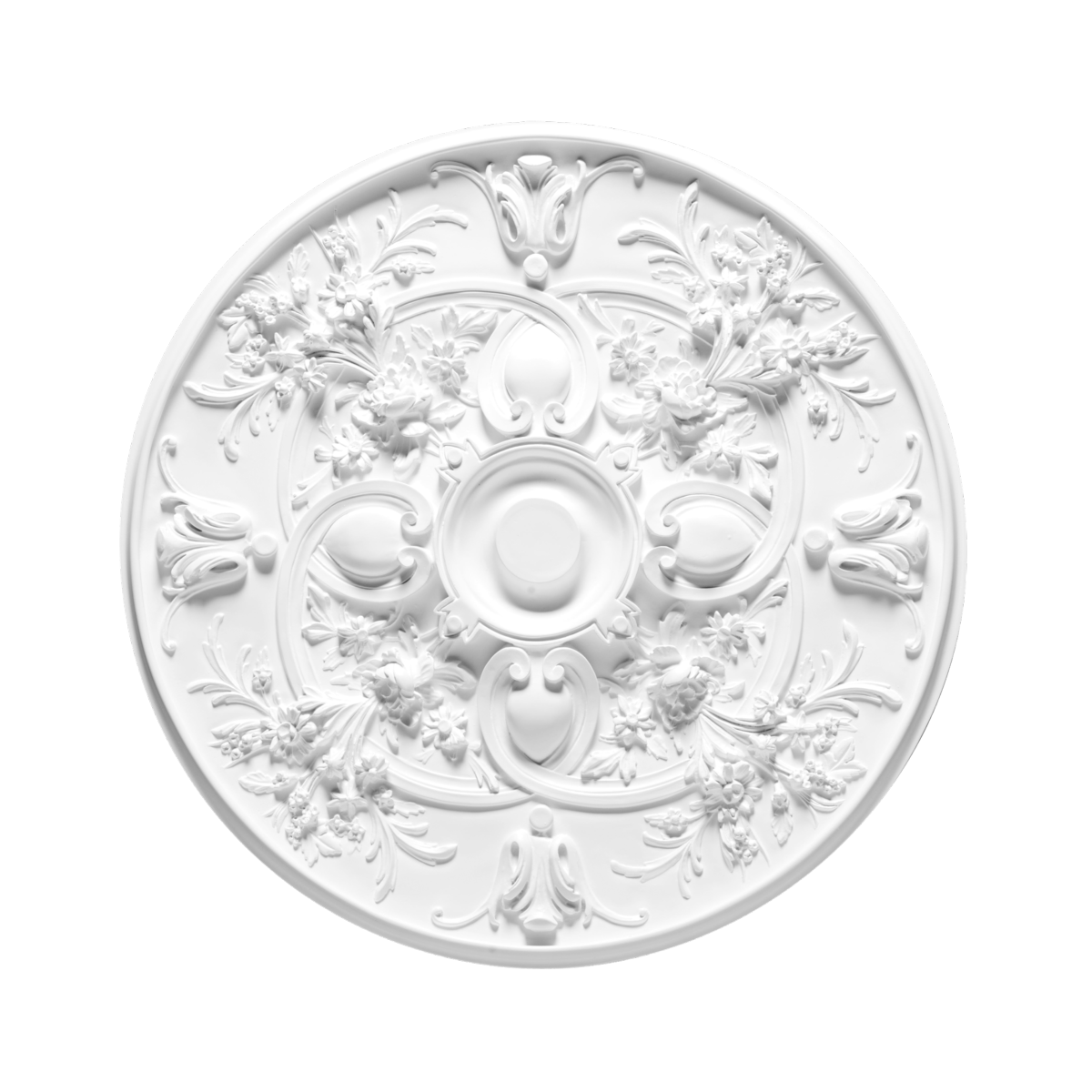
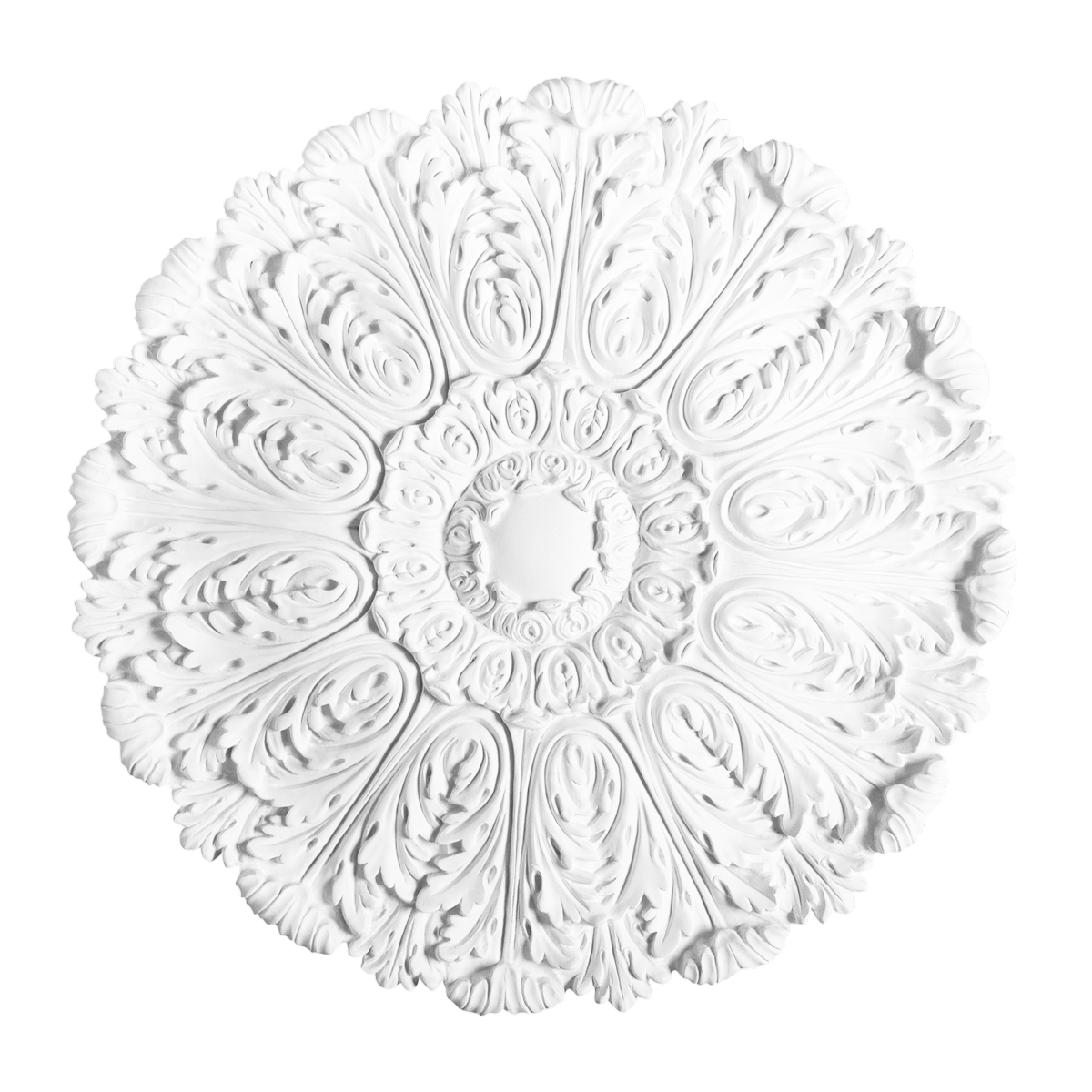
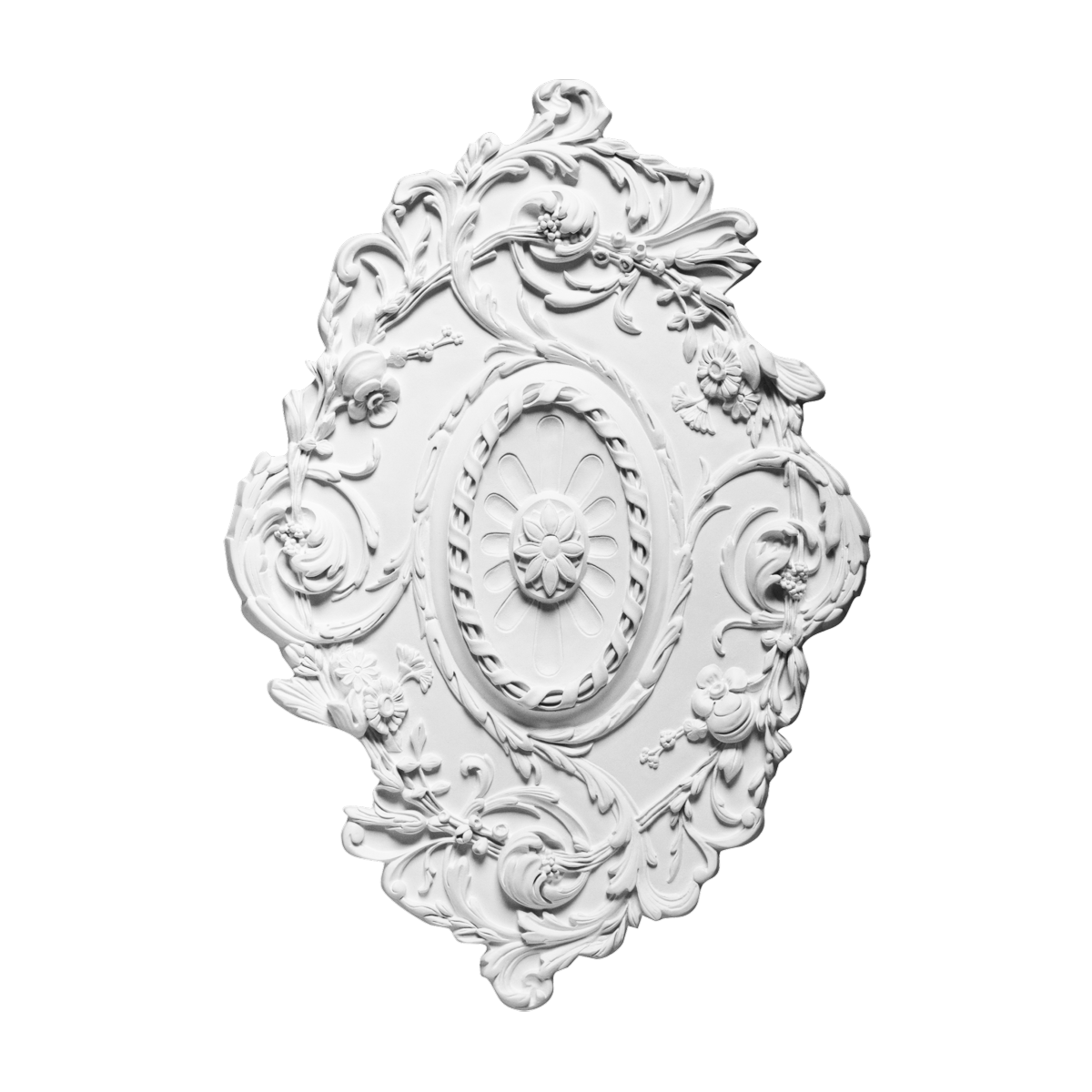
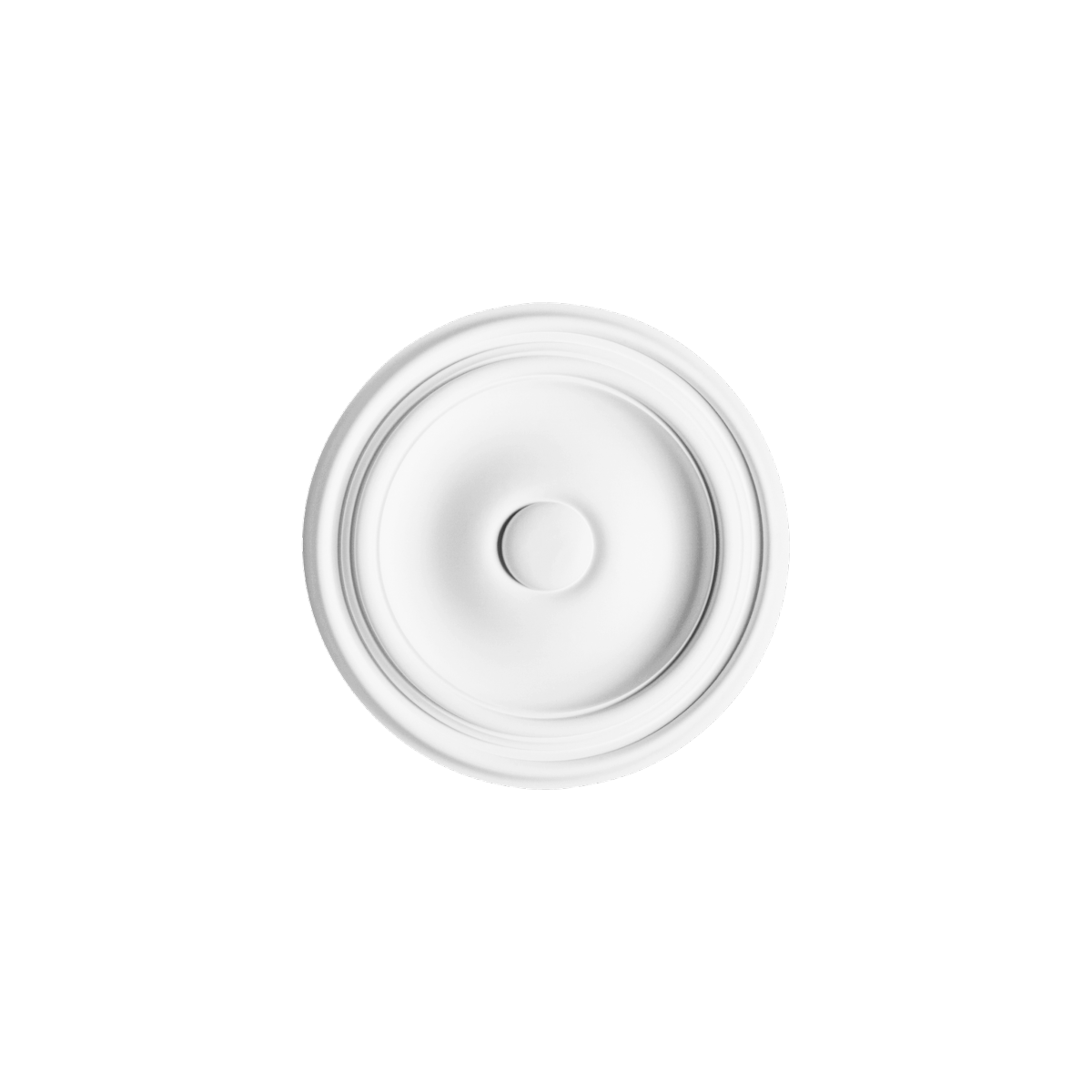
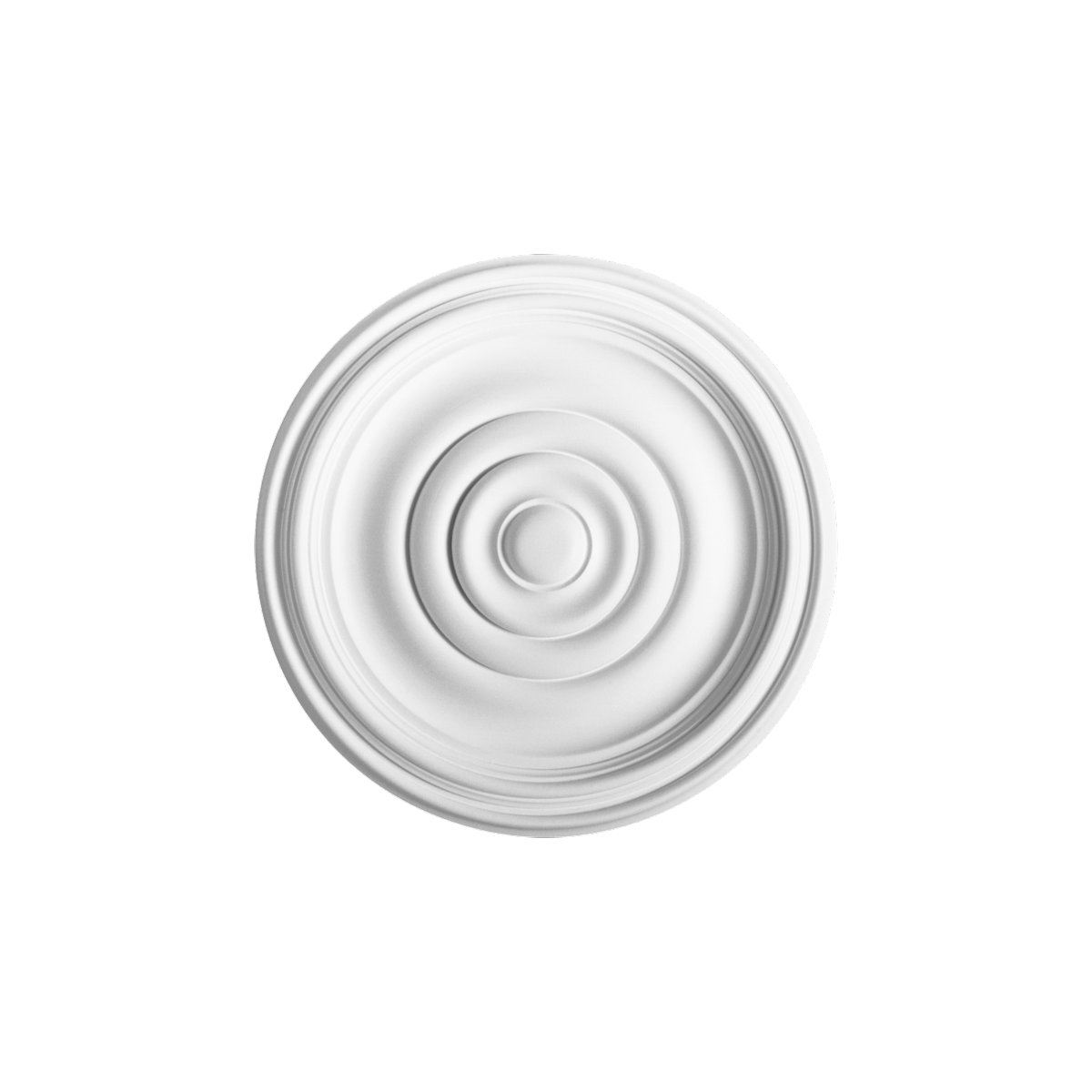
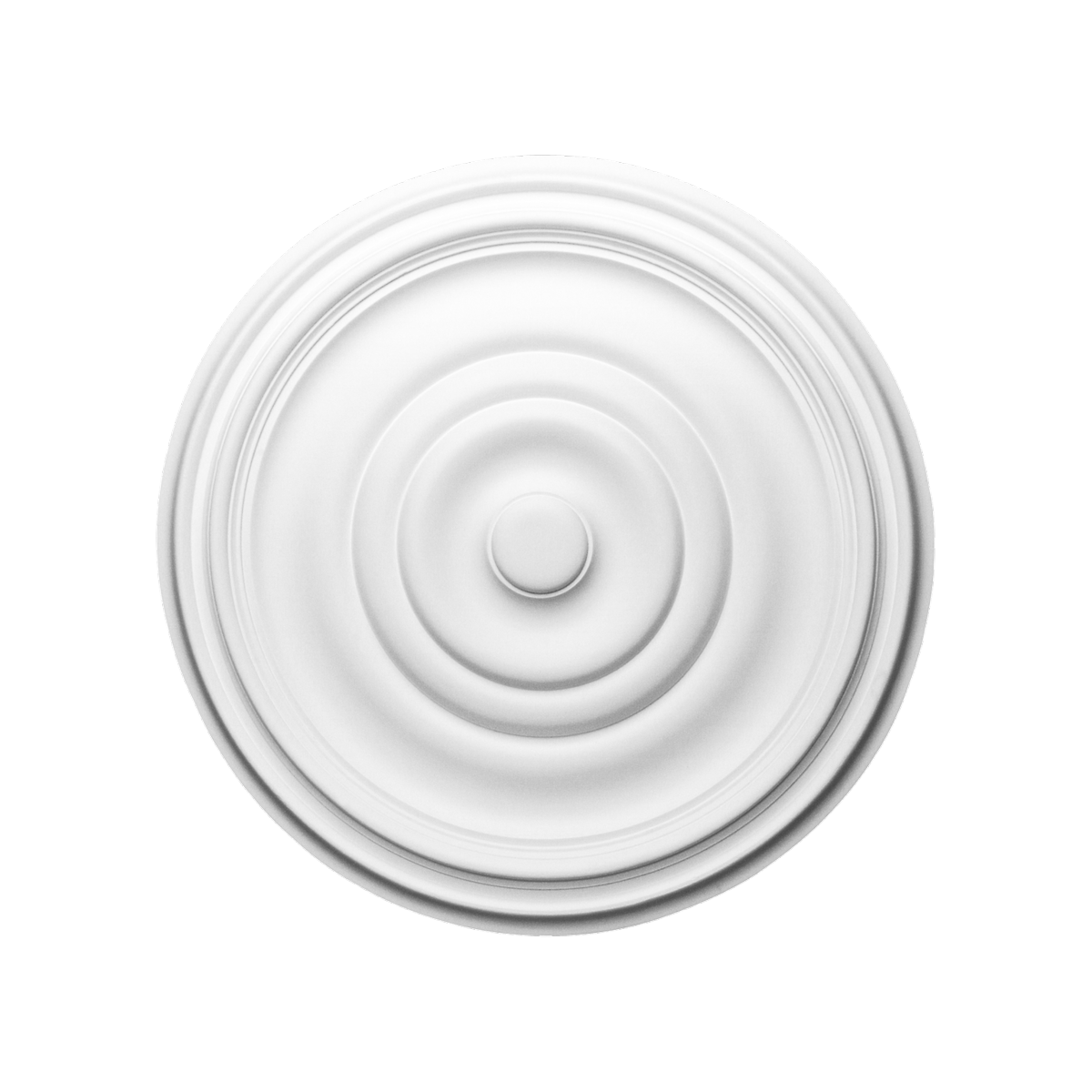
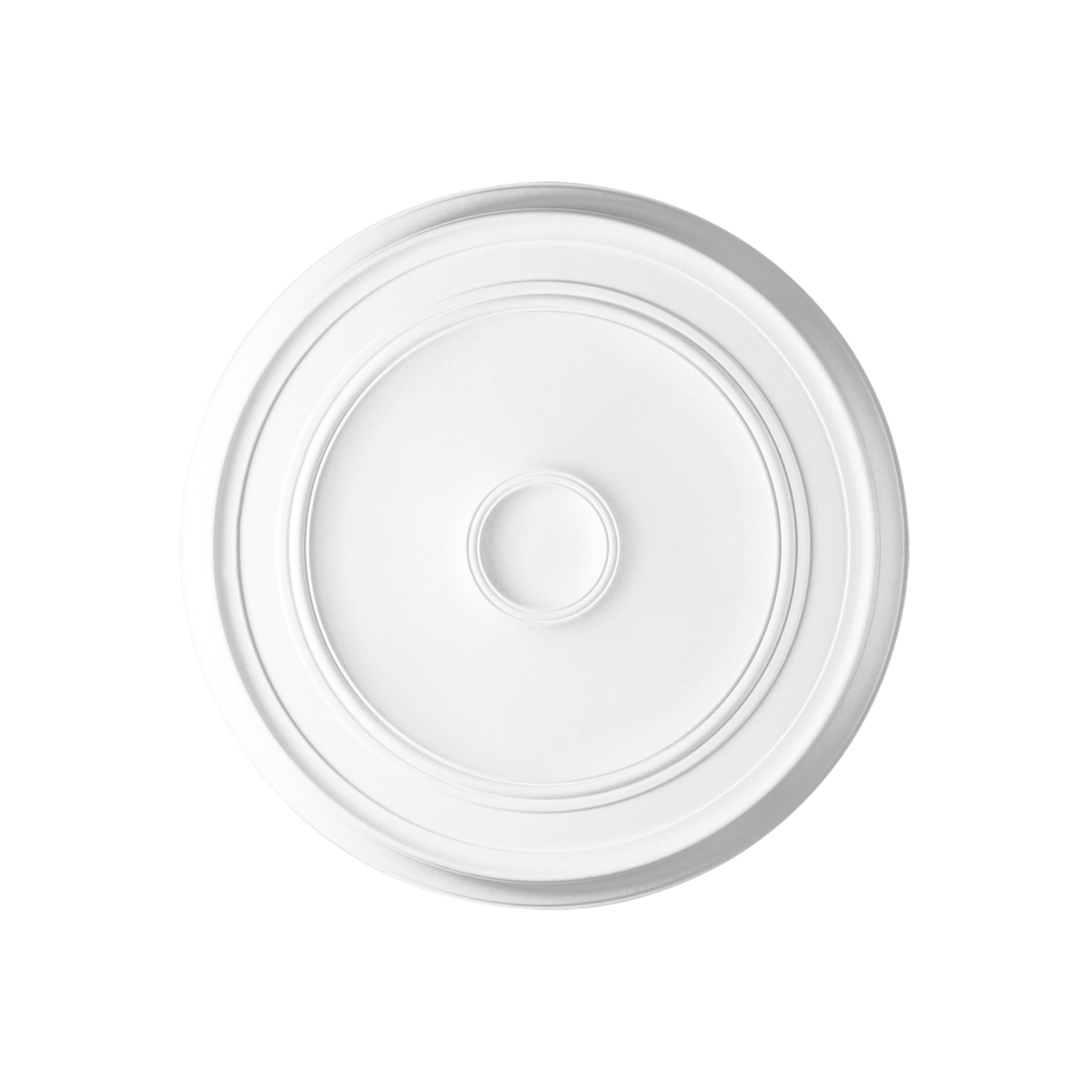
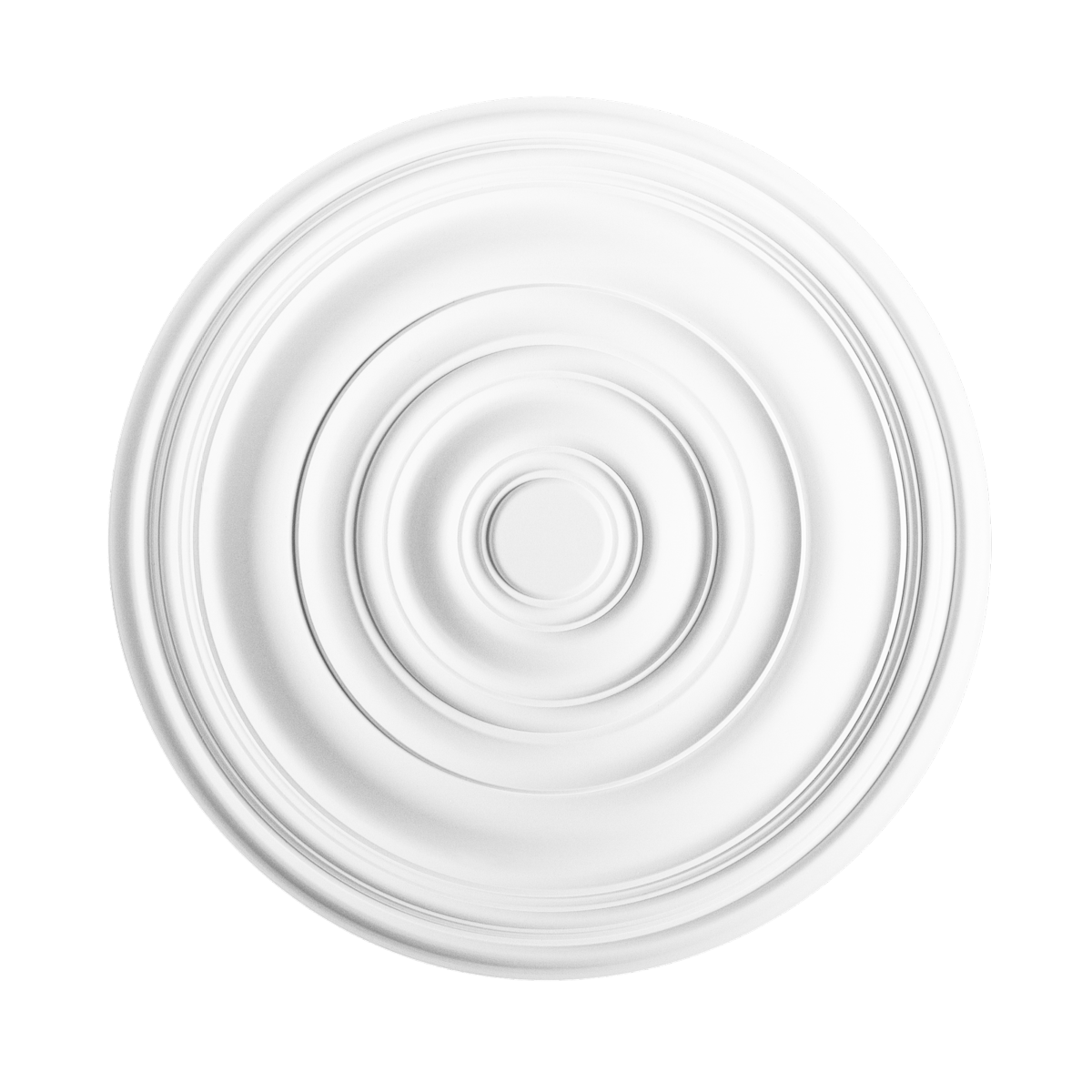
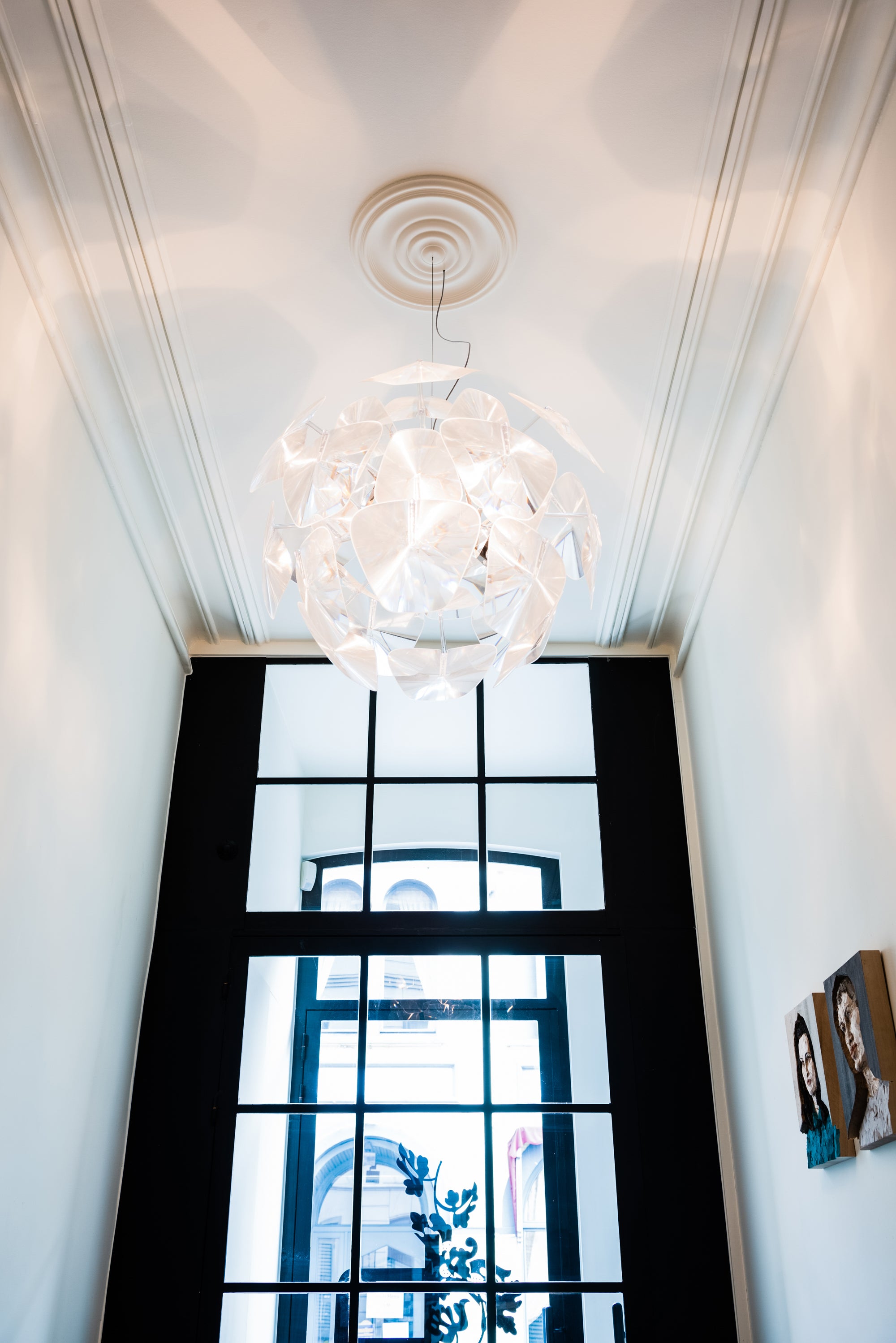
A ceiling rose is a decorative element typically installed in the center of a ceiling, often around a light fixture. It can be round, oval, square, or feature more elaborate patterns.

Traditionally used in classic and Haussmannian interiors, the ceiling rose now fits equally well into contemporary decor as it does into a more traditional interior.

It can serve several functions:

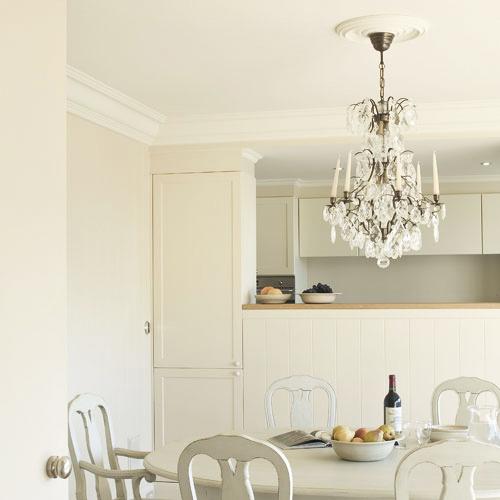
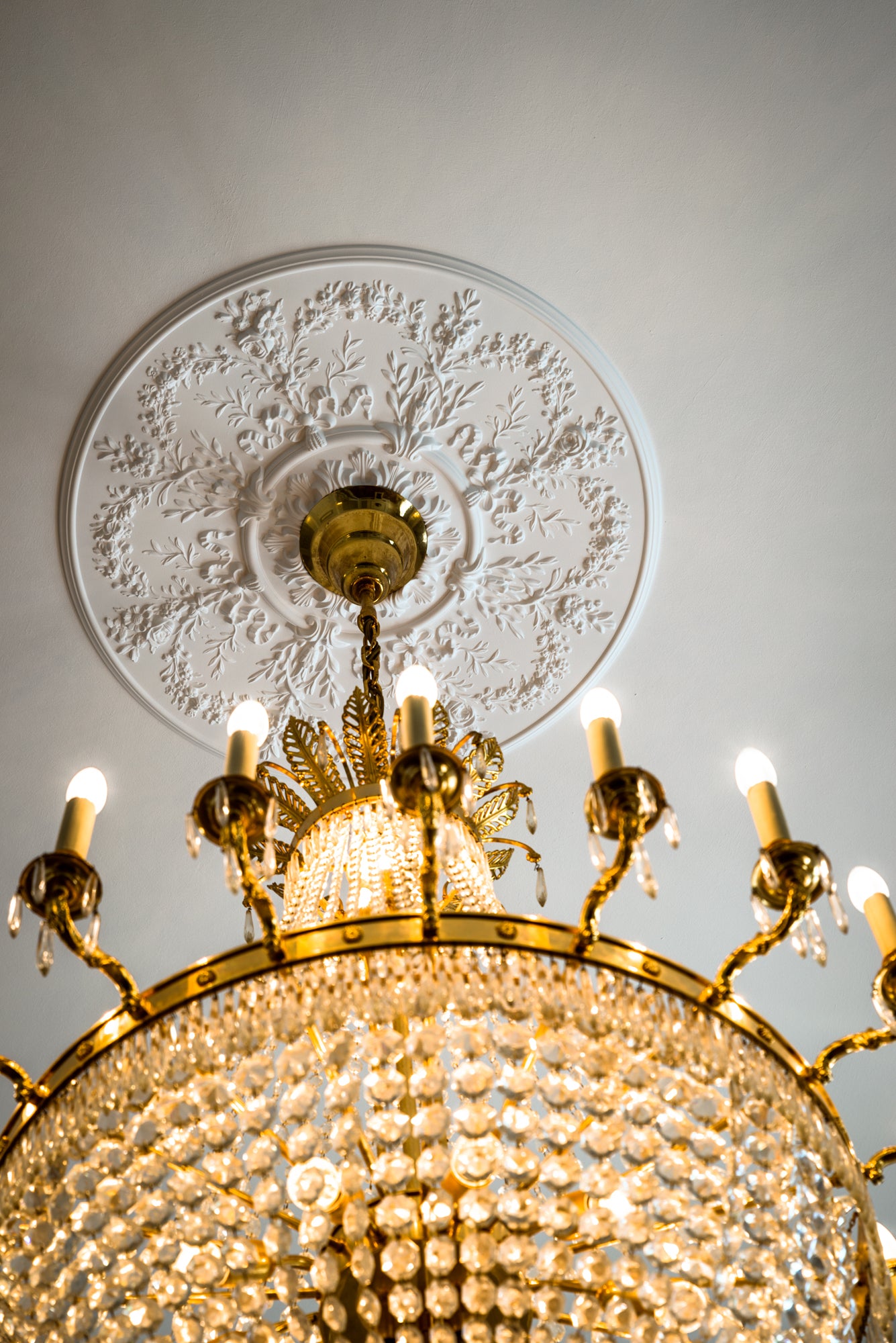
  • highlighting a chandelier or pendant light;
  • visually structuring a ceiling;
  • creating a focal point in a room;
  • enhancing the character of a decoration;
  • concealing certain imperfections around an electrical outlet;
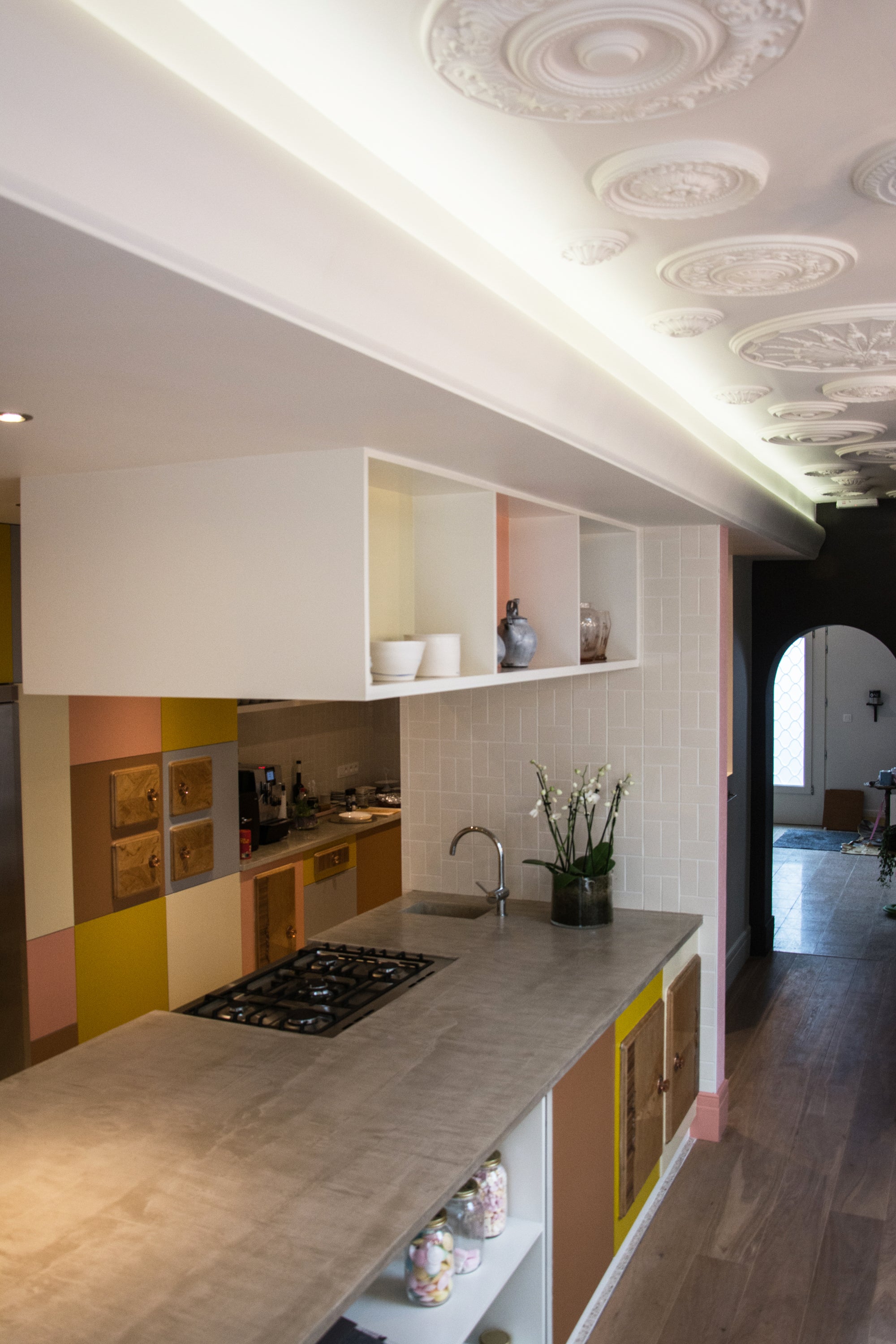
  • adding relief to an overly plain ceiling.

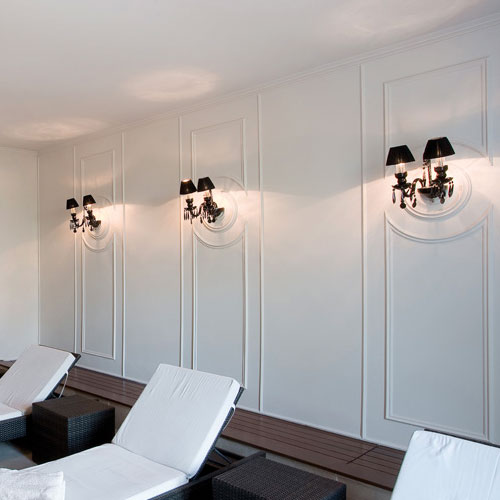
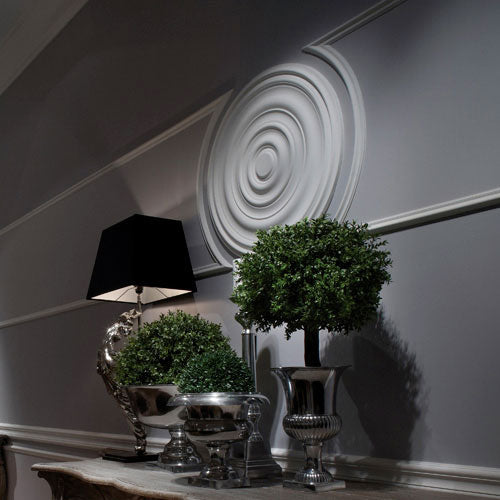
However, a ceiling rose is not exclusively for ceilings. Some models can also be used as wall decoration, alone or combined with other decorative moldings.

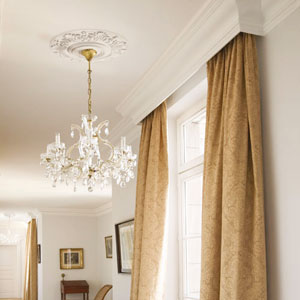
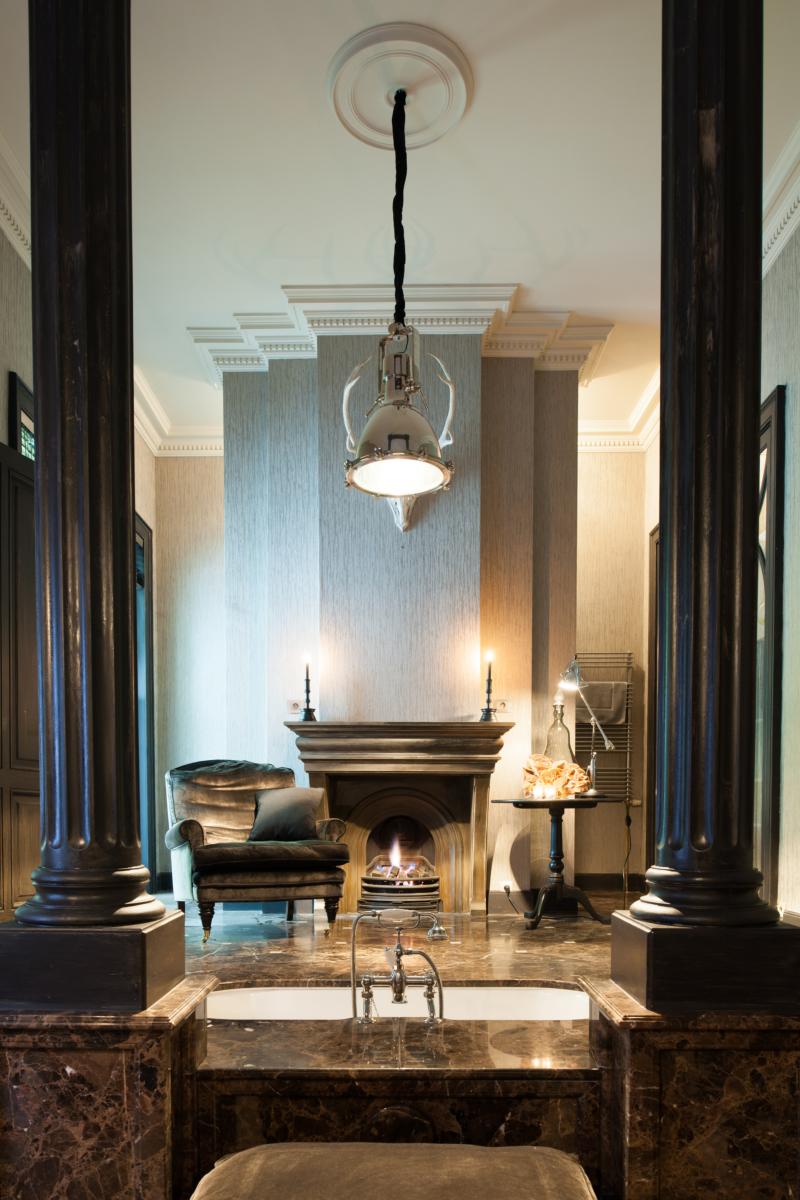
Rosace ronde 82cm dans salon parisien

What is a ceiling rose?

A ceiling rose is a decorative element typically installed in the center of a ceiling, often around a light fixture. It can be round, oval, square, or feature more elaborate patterns.

Traditionally used in classic and Haussmannian interiors, the ceiling rose now fits equally well into contemporary decor as it does into a more traditional interior.

It can serve several functions:

  • highlighting a chandelier or pendant light;
  • visually structuring a ceiling;
  • creating a focal point in a room;
  • enhancing the character of a decoration;
  • concealing certain imperfections around an electrical outlet;
  • adding relief to an overly plain ceiling.

However, a ceiling rose is not exclusively for ceilings. Some models can also be used as wall decoration, alone or combined with other decorative moldings.

Rosace ronde 82cm dans salon parisien

How to choose a ceiling rose?

The choice of a ceiling rose should not be based solely on its appearance. To achieve a harmonious result, you need to consider the size of the room, the ceiling height, the decorative style, the light fixture, and the material of the ceiling rose.

1. Choosing the diameter of the ceiling rose based on the room

This is one of the first criteria to consider. A ceiling rose that is too small risks going unnoticed in a large room, while a model that is too imposing can quickly overwhelm a small space. To make your choice, pay particular attention to:

  • the room's surface area;
  • the ceiling height;
  • the size of the light fixture;
  • the possible presence of cornices or other moldings.

The higher the ceiling and the more voluminous the room, the more you can allow for an imposing ceiling rose. Conversely, in a small room or with a standard ceiling height, a more discreet model will generally be more balanced.

Therefore, there isn't a universal diameter to adhere to: the right dimension is one that creates a proportional relationship between the ceiling rose, the ceiling, and the light fixture.

2. Adapting the ceiling rose to your interior style

• A ceiling rose for a classic interior

In a Haussmannian apartment, an old house, or a decoration inspired by classic interiors, a richly ornamented ceiling rose can perfectly find its place. Floral, foliate, geometric, or ancient-inspired motifs can reinforce the architectural character of the room. With a cornice, wall moldings, or decorative panels, the ceiling rose can contribute to a much more coherent overall composition.

• A ceiling rose for a contemporary decoration

In a modern interior, opt instead for a model with simple lines. A plain white ceiling rose, with a geometric shape and subtle reliefs, can add character without giving too classic an impression. The goal is then to play on volume and proportions rather than a profusion of motifs.

• A ceiling rose for an Art Deco interior

Art Deco lends itself particularly well to geometric shapes. Structured circular ceiling roses, radiating patterns, symmetrical lines, or graphic details allow you to capture the spirit of this style without necessarily reproducing an ancient decor.

3. Choosing the right material

The material directly influences the weight, ease of installation, finish, and price of the ceiling rose.

• Plaster ceiling rose

Plaster offers a traditional look and is particularly suitable for restorations or high-end interiors. On the other hand, a plaster ceiling rose is generally heavier, and its handling and installation require more precautions.

• Polyurethane ceiling rose

Polyurethane is an interesting alternative when looking for a lightweight and easy-to-install decorative element. It allows for detailed motifs while simplifying handling. Some manufacturers also offer installation and finishing systems specifically adapted to moldings and ceiling roses made of decorative materials. For example, Orac recommends different adhesives depending on the type of support and installation conditions. For an interior decoration project, polyurethane is therefore often a good compromise between aesthetics, weight, and ease of installation.

• Wooden ceiling rose

Wood brings a warmer feel and can suit a natural, rustic, or Scandinavian decoration. It is particularly interesting when the ceiling rose needs to be associated with other wooden elements present in the room.

• Metal ceiling roses

Aluminum or other metallic finishes can be used in contemporary or industrial decorations. They can notably create a contrast with a light-colored ceiling or echo certain details present in the furniture and light fixtures.

Ceiling rose: is a light fixture mandatory?

No.

Even if the ceiling rose is historically associated with chandeliers and pendant lights, it can be perfectly used as a decorative element in its own right. In this case, it can be placed in the center of the ceiling to create a focal point or complement a composition of moldings. This is a particularly interesting solution when the ceiling appears too bare or when you want to add more dimension to a room without changing all of its decor.

How to choose a ceiling rose for a light fixture?

When the ceiling rose is intended to accompany a pendant light or a chandelier, it is necessary to consider the relationship between the diameter of the ceiling rose and that of the light fixture.

A small pendant light installed under a very imposing ceiling rose can create a visual imbalance. Conversely, a ceiling rose that is too small can disappear behind a bulky light fixture.

The ceiling rose should therefore complement the light fixture without necessarily having exactly the same width.

Also remember to check:

  • the diameter of the electrical outlet;
  • the weight of the ceiling rose;
  • the light fixture's mounting system;
  • the available height;
  • the material's compatibility with the chosen installation method.

Warning: a decorative ceiling rose should not be considered the mounting system for a heavy light fixture. The light fixture must be attached to an appropriate support.

How to choose a ceiling rose for a light fixture?

When the ceiling rose is intended to accompany a pendant light or a chandelier, it is necessary to consider the relationship between the diameter of the ceiling rose and that of the light fixture.

A small pendant light installed under a very imposing ceiling rose can create a visual imbalance. Conversely, a ceiling rose that is too small can disappear behind a bulky light fixture.

The ceiling rose should therefore complement the light fixture without necessarily having exactly the same width.

Also remember to check:

  • the diameter of the electrical outlet;
  • the weight of the ceiling rose;
  • the light fixture's mounting system;
  • the available height;
  • the material's compatibility with the chosen installation method.

Warning: a decorative ceiling rose should not be considered the mounting system for a heavy light fixture. The light fixture must be attached to an appropriate support.

How to install a ceiling rose?

Here are some questions to ask yourself before choosing a rosette:

• What style do I want to give to my room?

Rosettes have been a feature in interiors for so long that you're sure to find something you love. Do you like the Louis XV style? Opt for richly decorated white rosettes, diamond or round shapes. Are you drawn to Scandinavian interiors? Choose round wooden rosettes for a warm and rustic effect. Prefer an industrial style? Nothing beats metallic or glossy black porcelain rosettes to add the finishing touch to your decor? For Art Deco enthusiasts, choose rosettes with strict geometries, made from fine materials and adorned with gold leaf. And if your style is all about simplicity, consider square, minimalist white polyurethane rosettes.

• What is my budget?

The price of rosettes depends on the material (wood, polystyrene, polyurethane, plaster, aluminum, etc.), but also on their dimensions and the required precision of the moldings. Polyurethane remains a good value for money. This material, less expensive than plaster, has a very similar finish and allows for good results.

What color should I choose for a ceiling rose?

White ceiling roses are a particularly versatile choice, especially when paired with a white ceiling. But there's no need to stick to a white ceiling rose.

• Tone-on-tone

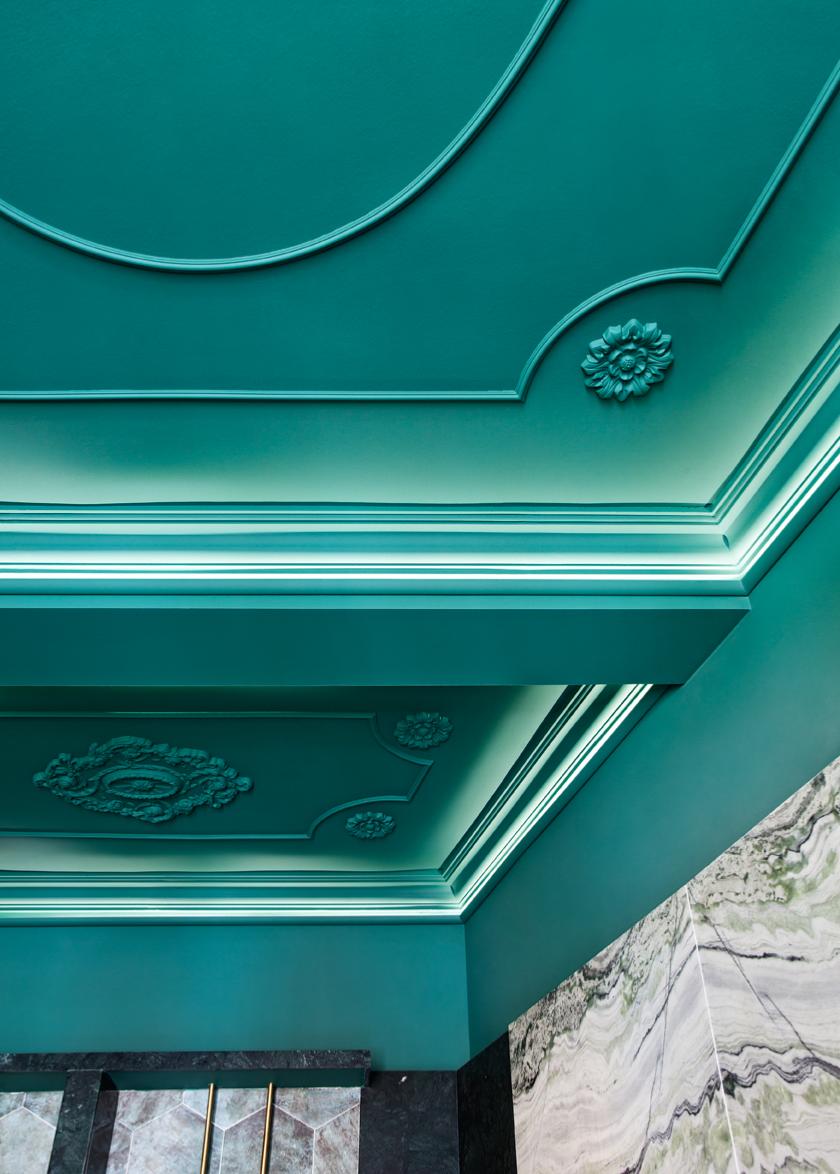
Painting the rosette the same color as the ceiling allows you to play primarily with relief and shadows. This is a good option for elegant and discreet decor.

• Contrasting rosette

To further highlight the pattern, you can create a contrast with the ceiling. A rosette that is slightly darker or in a complementary shade then becomes a true decorative element.

• Rosette and colored ceiling

On a deep blue, green, beige, or another rich-colored ceiling, a white rosette can create a very decorative contrast. Conversely, a rosette painted in the same color allows for a more contemporary and uniform result.

Can a rosette be combined with other mouldings?

1. Outline the surface of the ceiling/wall where the rosette will be placed and clean it.
2. If you are connecting a light fixture, check and route the cables inside the ceiling rose.
3. Glue the rosette in place by pressing firmly, or screw it in if its weight is too heavy.
4. Clean off any excess glue or cover the screws.
5. Connect the electrical cables and install your light fixture.


Which ceiling rose should I choose based on ceiling height?

• For standard ceiling heights

Opt for a ceiling rose whose dimensions remain proportionate to the room and the light fixture. A model that is too large can quickly draw all attention to the ceiling.

• For high ceilings

You can afford a more generous and ornate ceiling rose. In an old apartment with high ceilings, a large ceiling rose combined with cornicing and a chandelier can particularly enhance the existing architecture.

• In a small room

Go for simplicity. A moderately sized ceiling rose, with minimal relief, can provide an elegant finish without visually reducing the space.

Which ceiling rose should I choose based on ceiling height?

• For standard ceiling heights

Opt for a ceiling rose whose dimensions remain proportionate to the room and the light fixture. A model that is too large can quickly draw all attention to the ceiling.

• For high ceilings

You can afford a more generous and ornate ceiling rose. In an old apartment with high ceilings, a large ceiling rose combined with cornicing and a chandelier can particularly enhance the existing architecture.

• In a small room

Go for simplicity. A moderately sized ceiling rose, with minimal relief, can provide an elegant finish without visually reducing the space.

Mistakes to avoid with a ceiling rose

• Choosing a ceiling rose solely for its pattern: Its diameter, weight, and style must also be appropriate for the room.

• Installing a disproportionate ceiling rose: A large ceiling rose is not automatically more elegant. It must be consistent with the ceiling surface and the light fixture.

• Neglecting the support: The installation method depends on the nature and condition of the ceiling.

• Using unsuitable adhesive: The product must be compatible with the material of the ceiling rose and the support.

• Forgetting the finishing touches: Joints and connections are particularly visible on white decor. A careful finish makes a real difference.

• Considering the ceiling rose as a fixture for the light: The ceiling rose is primarily a decorative element. The light fixture must have its own mounting appropriate for its weight.

Ceiling rose: which model to choose?

The best choice ultimately depends on three elements: the style of your interior, the proportions of your room, and the function of the ceiling rose.

For a classic interior, opt for intricate and symmetrical designs. For a contemporary decor, a geometric and streamlined ceiling rose will generally be more suitable. If ease of installation is your priority, a lightweight material like polyurethane can be particularly appealing.

And if the ceiling rose is to accompany a chandelier or a pendant light, always remember to consider the ceiling rose + light fixture + ceiling as a whole, rather than choosing the ceiling rose independently.

Need a little help choosing your ceiling rose?

Feel free to visit our store to see all the models or call us for more advice: 01 40 58 11 70

View all rosette models Come in store

FAQ: Most frequent questions about ceiling roses

Continue reading
All articles
Décoration muraleprofil ledge blog

Cache-rideaux : comment dissimuler une tringle, un rail ou des éléments techniques avec une moulure ?

Oct 5, 2026

Un profil cache-rideaux permet de dissimuler facilement une tringle ou un rail, tout en créant une finition élégante au plafond. Certains profils comme le Ledge d’Orac vont plus loin en intégrant é...

Read more

AccrochageComment créer une déco industrielle sans refaire tout son intérieur ?

Comment créer une déco industrielle sans refaire tout son intérieur ?

Sep 23, 2026

Vous aimez le style industriel, mais votre intérieur n’a rien d’un ancien atelier ou d’un loft new-yorkais ? Bonne nouvelle : il n’est pas nécessaire de remplacer votre canapé, votre table, vos lum...

Read more

Accrochagepose d'une platine track and slide au dos d'un tableau

Accrochage sécurisé d’œuvres d’art à domicile : une prestation premium pour les collectionneurs

Sep 18, 2026

Vous venez de faire l’acquisition d’œuvres d’art et vous souhaitez les installer chez vous ? C’est pourquoi nous proposons une prestation d’accrochage et d’installation d’œuvres d’art à domicile, d...

Read more