Orac in a modern interior: why it works?
1. A contemporary living room with clean lines
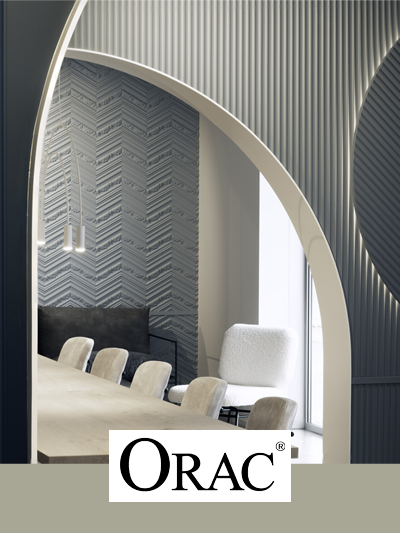
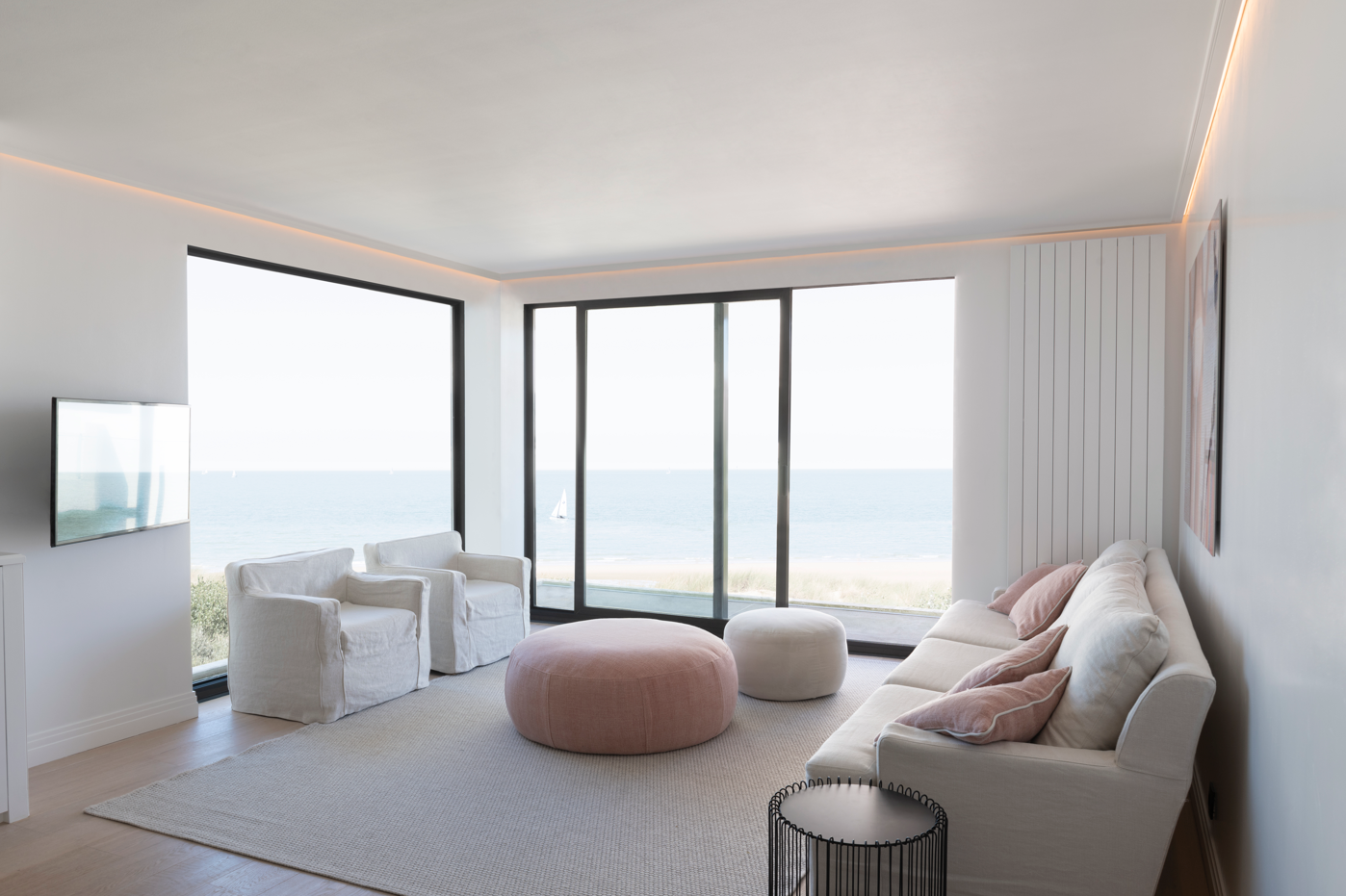
In a modern living room, a completely bare wall can sometimes feel a little cold. Rather than cluttering it with paintings or decorative objects, one solution is to work directly with the surface using decorative profiles.
A geometric composition, for example, can complement a sofa or emphasize the width of a low cabinet. To maintain a contemporary look, lines should remain simple and the composition relatively uncluttered.
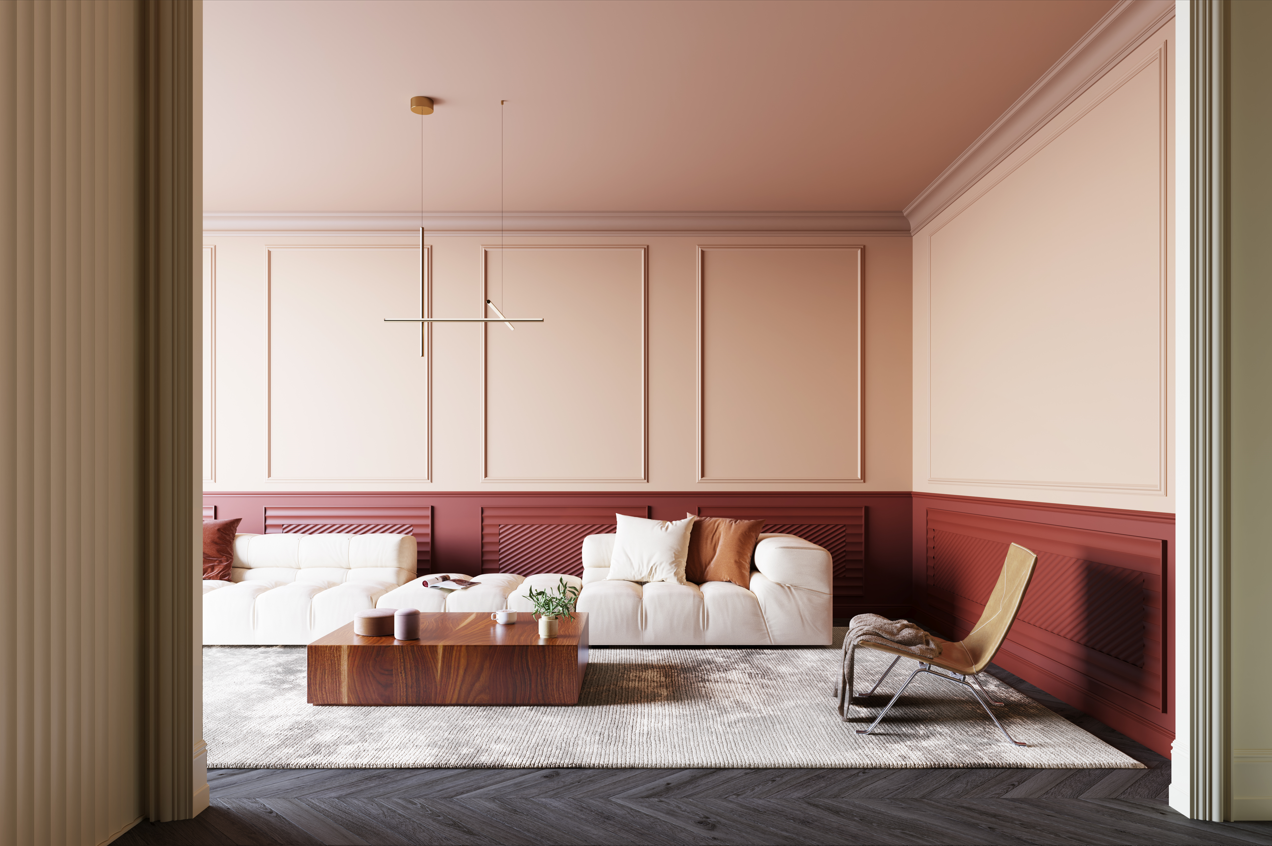
A white wall with tone-on-tone elements will create a very understated impression. Conversely, a deeper color will highlight the volumes more. The goal is to create a decor that remains present without becoming the main subject of the room.


2. Tone-on-tone for a minimalist result
Tone-on-tone is particularly well-suited to modern interiors.
The principle is simple: decorative elements are painted in a color close, or even identical, to that of the wall. At first glance, the composition appears almost invisible. Then, as the light changes, the reliefs gradually emerge. This technique works very well with neutral shades such as off-white, beige, greige, or light grey. But it can also be used with bolder colors. A deep green wall combined with profiles of the same shade, for example, will create a much more enveloping result, while a blue-grey will create a softer ambiance. In both cases, the decor remains contemporary thanks to the sobriety of the composition.


3. Graphic walls to set the tone
Modern style also allows for more play with geometry.
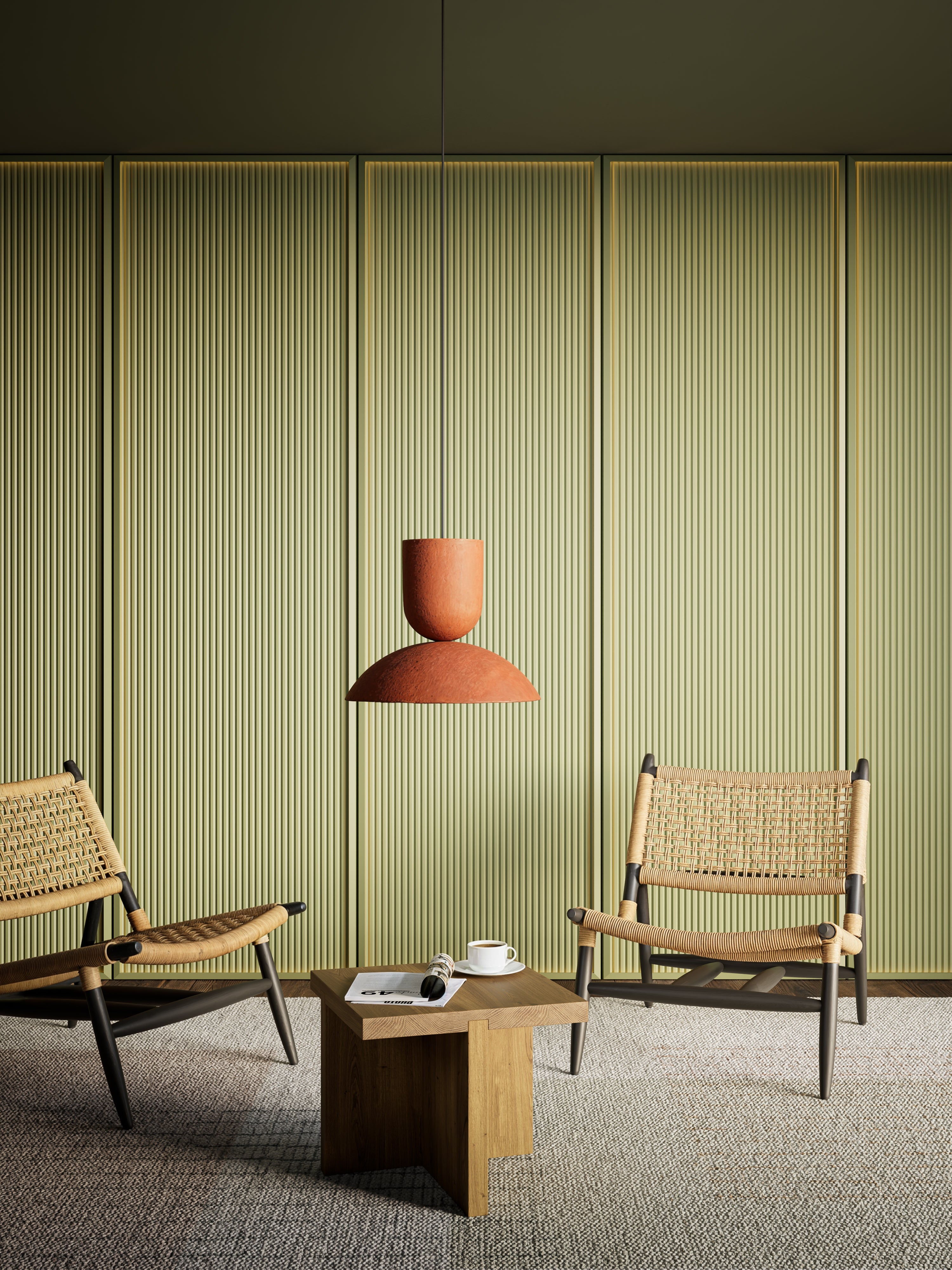
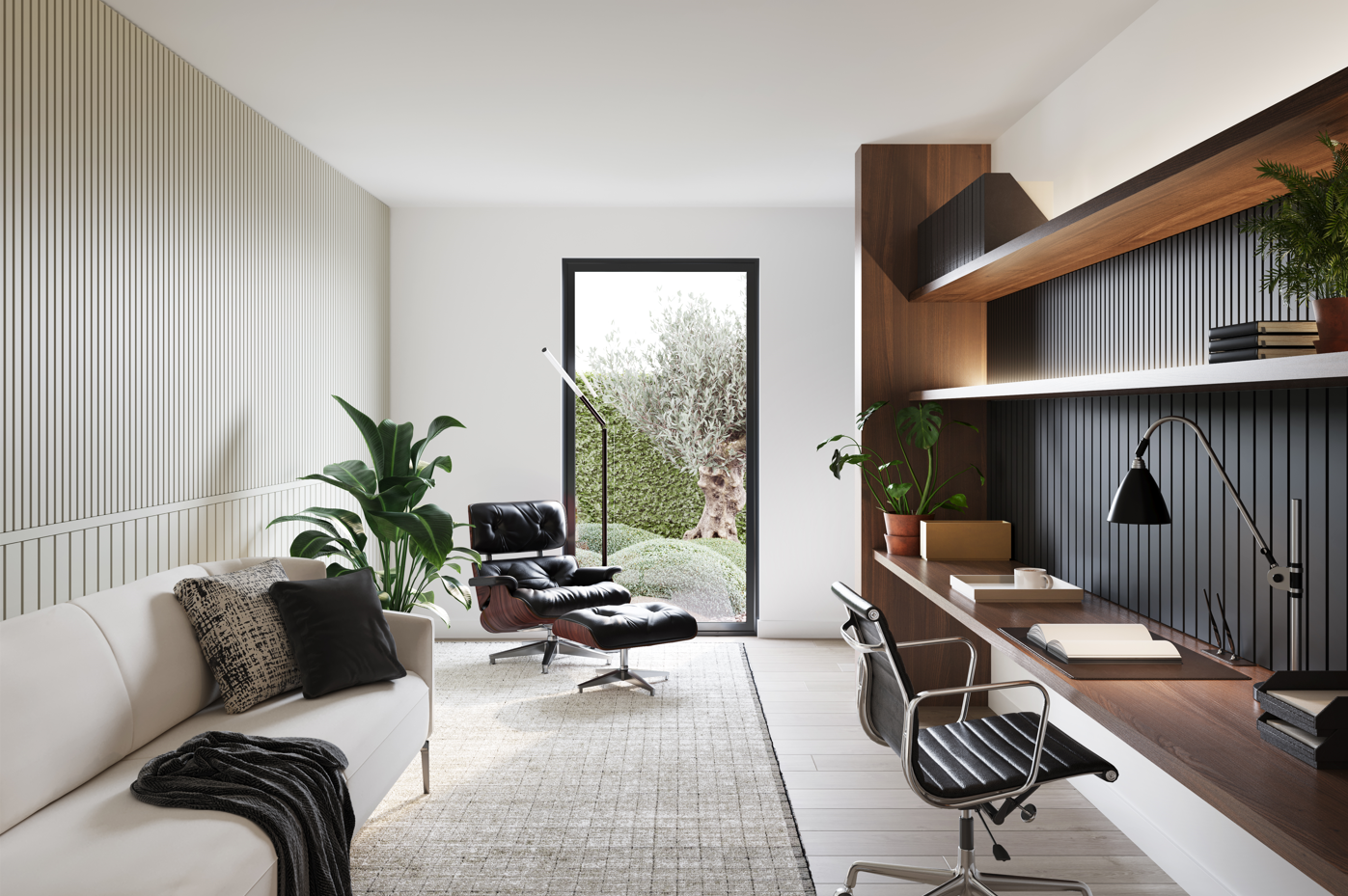
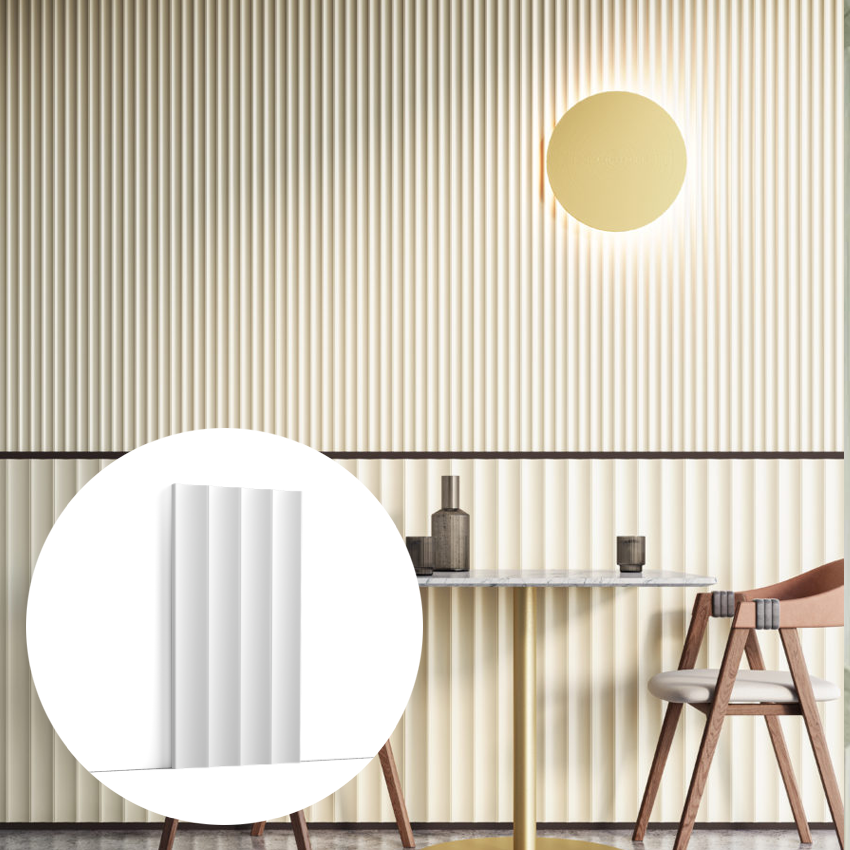
Rather than replicating traditional wall frames, profiles can be used to create vertical, horizontal lines, or geometric shapes.
This approach is particularly interesting on a large wall.
A succession of vertical lines can accentuate the height of a room. Horizontal lines, on the other hand, can visually give more width.
It is also possible to create an asymmetrical composition for a more artistic result.
In this case, it is important to maintain some consistency in spacing and proportions. A successful graphic composition appears spontaneous, but it is usually very well thought out.

3. Graphic walls to set the tone
Modern style also allows for more play with geometry.
Rather than replicating traditional wall frames, profiles can be used to create vertical, horizontal lines, or geometric shapes.
This approach is particularly interesting on a large wall.
A succession of vertical lines can accentuate the height of a room. Horizontal lines, on the other hand, can visually give more width.
It is also possible to create an asymmetrical composition for a more artistic result.
In this case, it is important to maintain some consistency in spacing and proportions. A successful graphic composition appears spontaneous, but it is usually very well thought out.

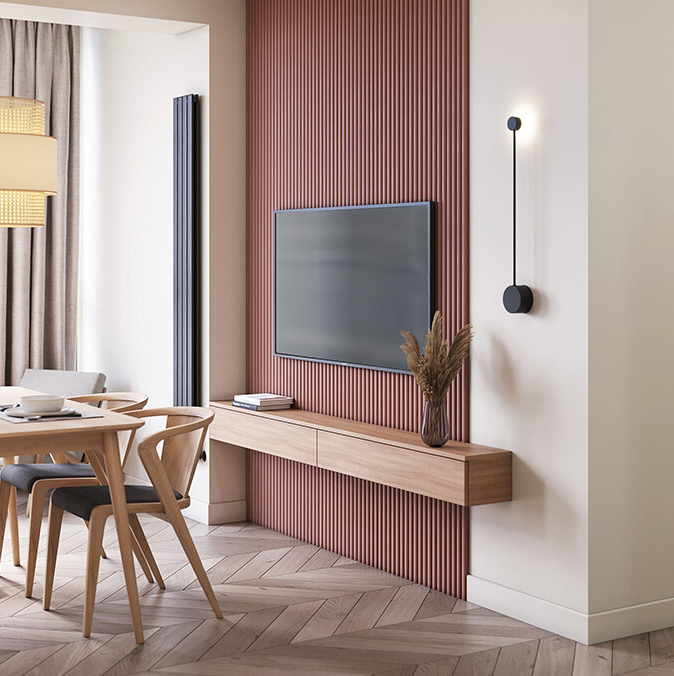
4. A more elaborate TV wall
The wall behind the TV is often difficult to decorate. Too many elements can distract from the screen, while a completely bare wall can lack personality.
Decorative profiles can help structure this area without overdoing it. A large horizontal composition can complement the TV stand. Vertical lines can also visually frame the screen.
For a very contemporary look, opt for a fairly wide composition and subdued colors. The goal is to create continuity between the furniture and the wall rather than giving the impression of having added extra decoration.

4. A more elaborate TV wall
The wall behind the TV is often difficult to decorate. Too many elements can distract from the screen, while a completely bare wall can lack personality.
Decorative profiles can help structure this area without overdoing it. A large horizontal composition can complement the TV stand. Vertical lines can also visually frame the screen.
For a very contemporary look, opt for a fairly wide composition and subdued colors. The goal is to create continuity between the furniture and the wall rather than giving the impression of having added extra decoration.

5. Indirect lighting to transform the atmosphere
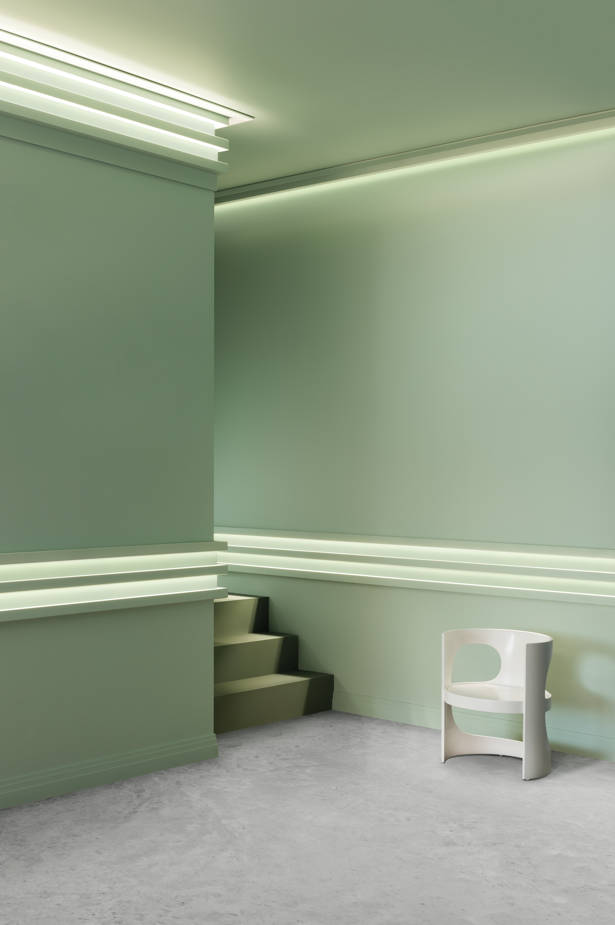
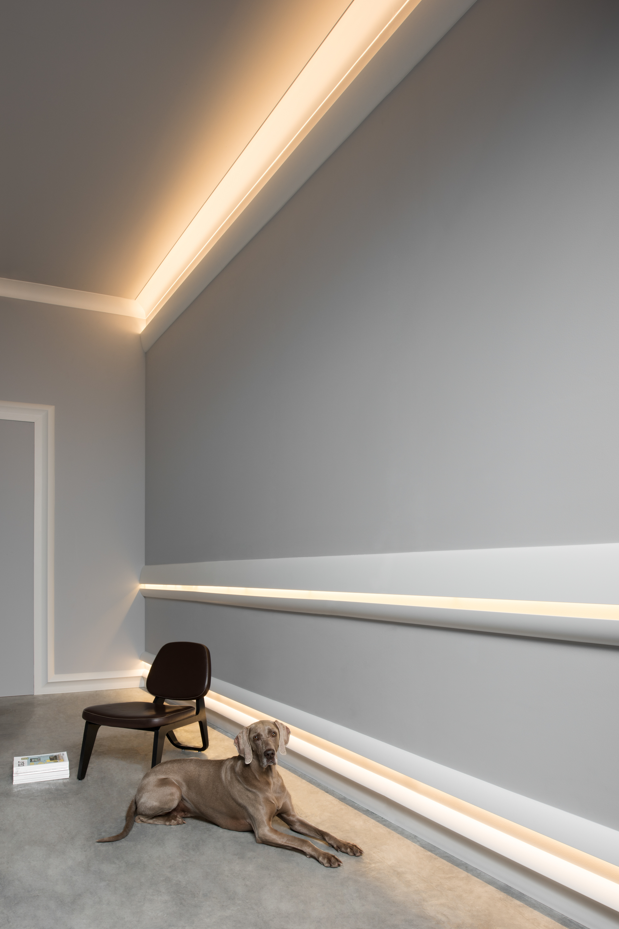
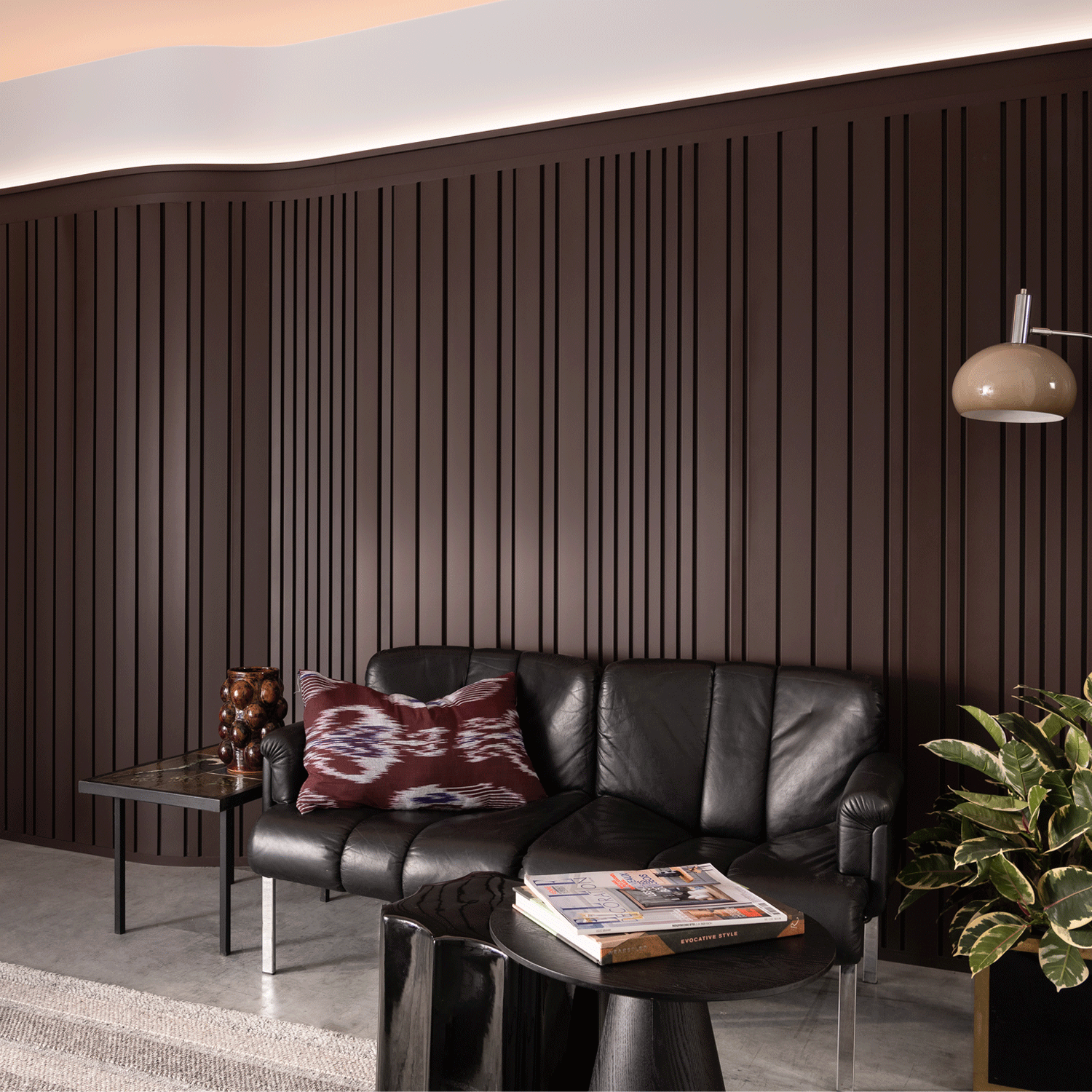
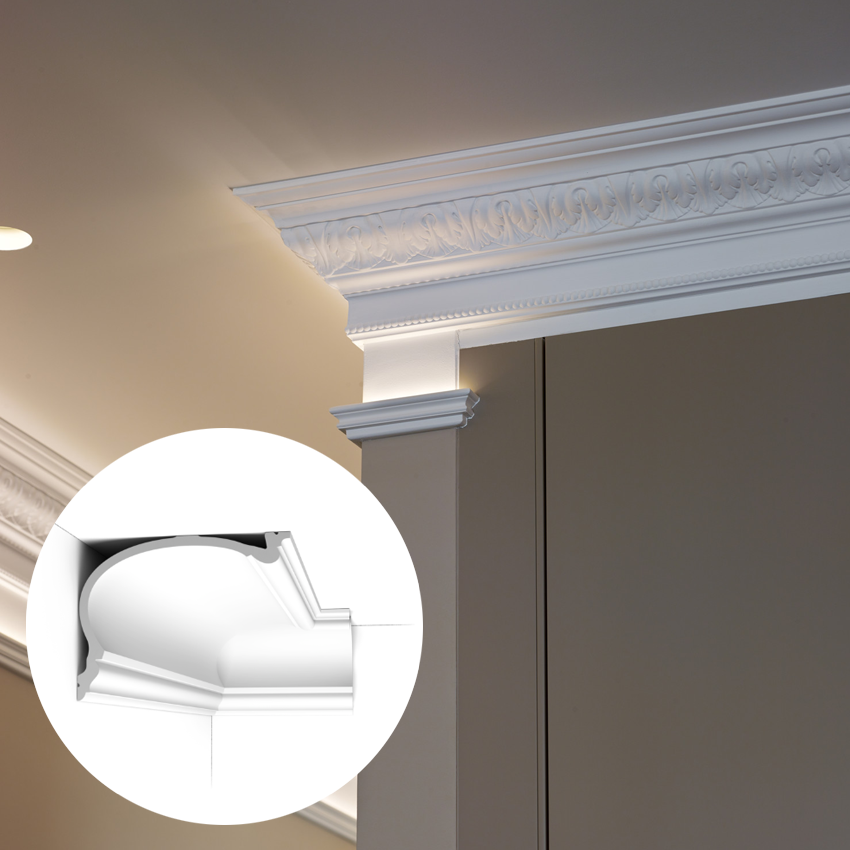
One particularly interesting application in a contemporary interior is the combination of decorative elements with light. Certain cornices and profiles allow for the creation of indirect lighting effects.
The light source is then not directly visible. The light diffuses onto the ceiling or wall, creating a much softer ambiance. In the evening, the result can completely change the perception of the room.
Indirect lighting behind a cornice can particularly highlight the ceiling height, while a luminous profile installed on a wall can create a particularly elegant graphic line.
This approach works very well in living rooms, bedrooms, hallways, and professional spaces.

5. Indirect lighting to transform the atmosphere
One particularly interesting application in a contemporary interior is the combination of decorative elements with light. Certain cornices and profiles allow for the creation of indirect lighting effects.
The light source is then not directly visible. The light diffuses onto the ceiling or wall, creating a much softer ambiance. In the evening, the result can completely change the perception of the room.
Indirect lighting behind a cornice can particularly highlight the ceiling height, while a luminous profile installed on a wall can create a particularly elegant graphic line.
This approach works very well in living rooms, bedrooms, hallways, and professional spaces.

6. A modern and inviting room
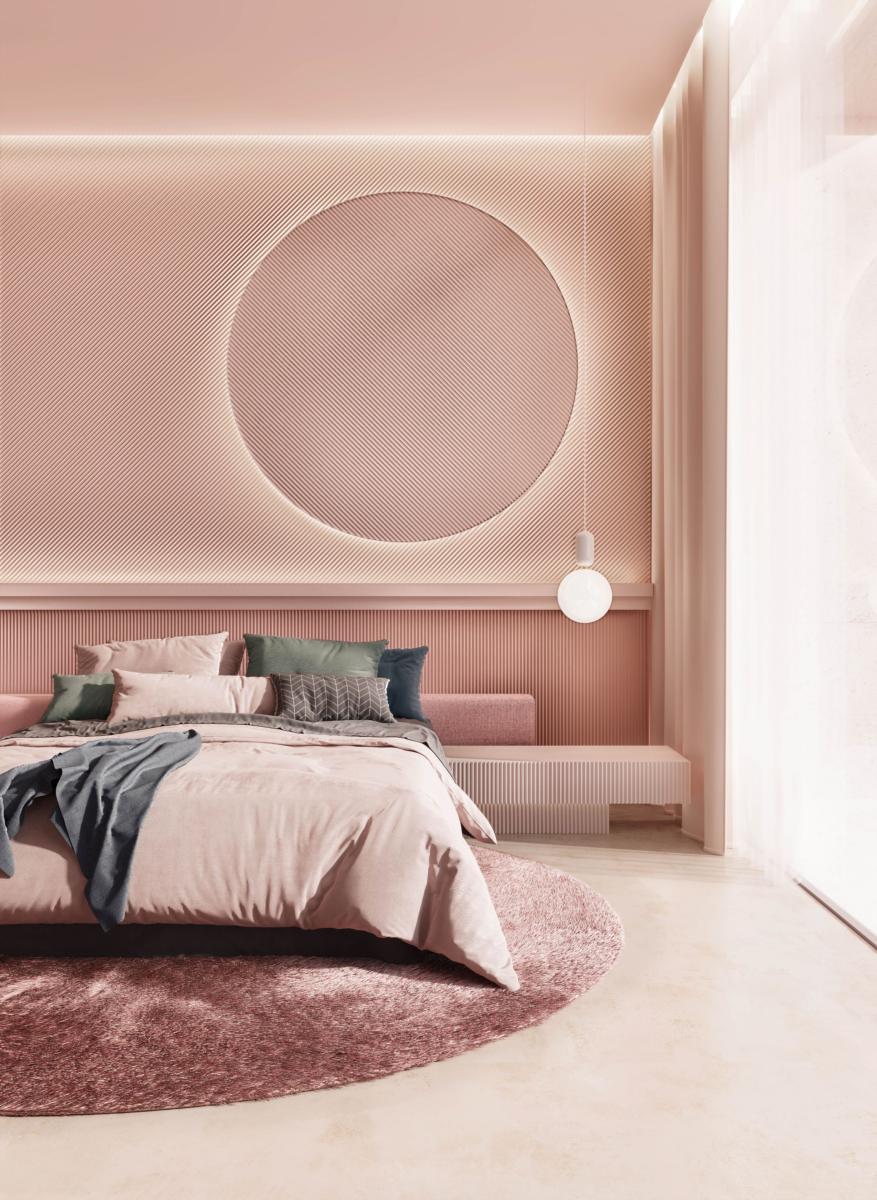
In a contemporary bedroom, decorative elements can be used to create a visual headboard. A large panel behind the bed, a few vertical lines, or a very minimalist composition can be enough to define the sleeping area.
For a warm atmosphere, shades of beige, sand, taupe, or brown are particularly appealing.
For something more striking, a deep blue, dark green, or anthracite gray can create a strong contrast with the furniture.
Lighting also plays an important role. Indirect light placed behind or above the composition creates a much softer ambiance in the evening.
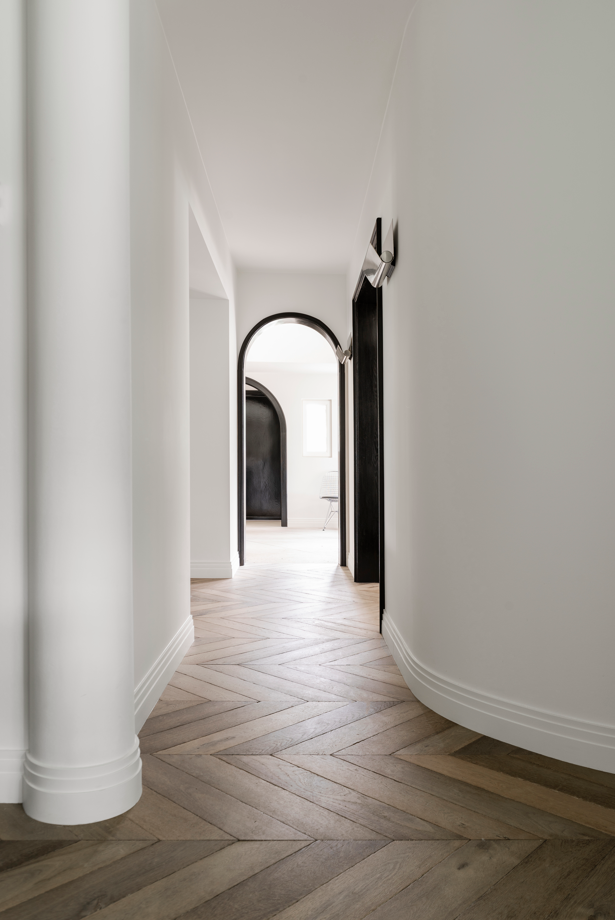
7. Modern trim in an entryway
The entryway is often an overlooked space, yet it immediately sets the tone for the home.
A graphic wall can be enough to create a real impact upon arrival.
A vertical composition, in particular, can emphasize height, while a horizontal profile can highlight the length of a hallway.
In a narrow entryway, it's best to avoid cluttering the space. A single, well-proportioned composition will often be more effective.
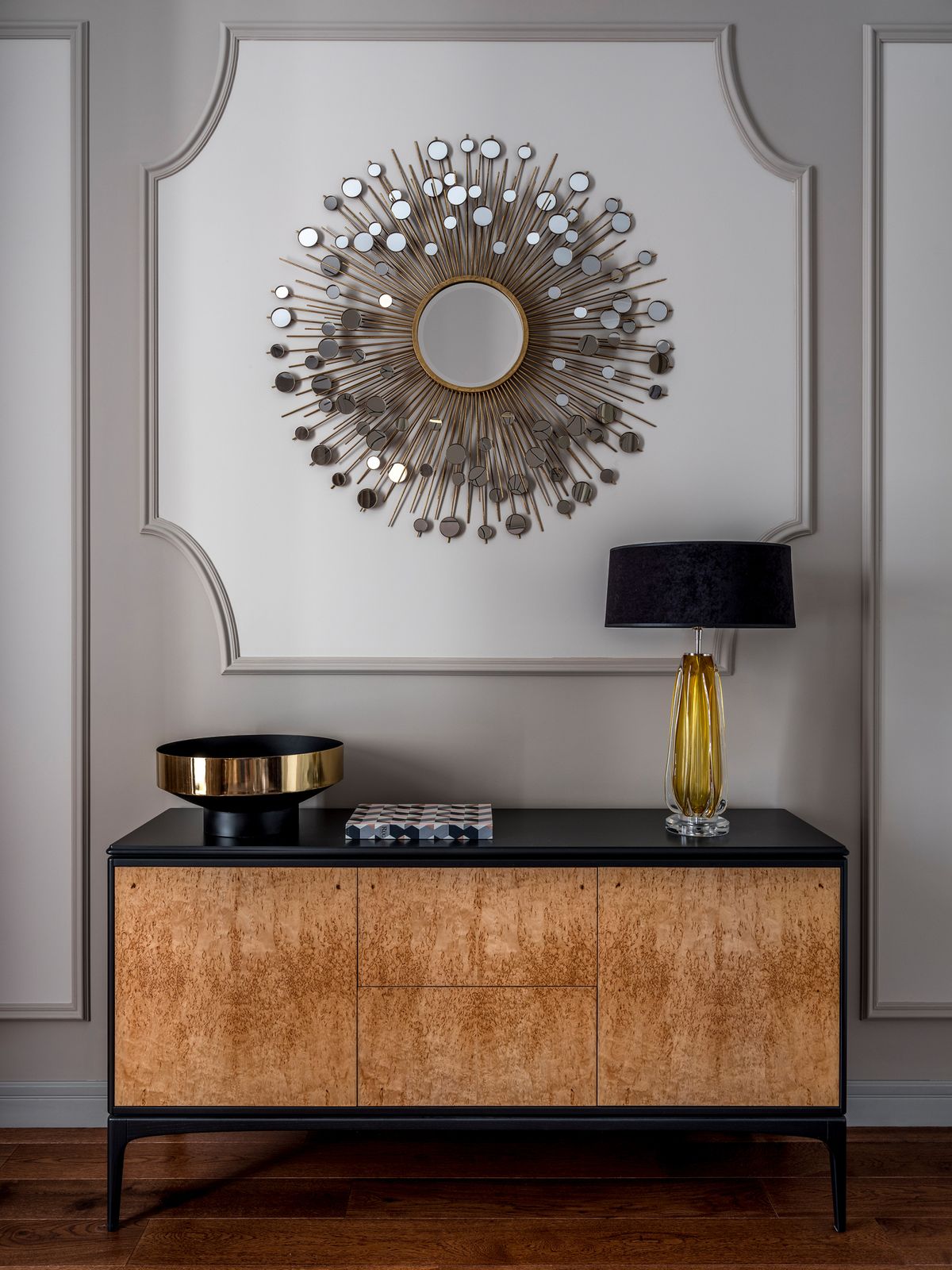
A mirror, a minimalist console table, and a beautiful pendant light can then complete the look.

7. Modern trim in an entryway
The entryway is often an overlooked space, yet it immediately sets the tone for the home.
A graphic wall can be enough to create a real impact upon arrival.
A vertical composition, in particular, can emphasize height, while a horizontal profile can highlight the length of a hallway.
In a narrow entryway, it's best to avoid cluttering the space. A single, well-proportioned composition will often be more effective.
A mirror, a minimalist console table, and a beautiful pendant light can then complete the look.

8. Play with volumes rather than objects
One of the major trends in modern interiors is to reduce the number of objects to better emphasize volumes. Decorative profiles can contribute to this approach. Instead of adding accessories, the room's architecture is directly worked on.
A slightly textured wall, a difference in depth, or a luminous line can thus become decorative elements in their own right.
This approach is particularly suitable for people who appreciate minimalist interiors but still wish to avoid a decor that feels too cold.
9. Combine Orac with wood, stone and metal
Decorative elements don't necessarily have to be used alone. In contemporary decor, they can be combined with different materials.
Wood adds warmth and helps break up the sometimes very minimalist look of an interior.
Stone or concrete create a rougher contrast.
Metal, on the other hand, adds an industrial or sophisticated touch depending on its finish.
Imagine, for example, a beige wall structured with a few simple lines, light wood flooring, and a stone coffee table. The different materials complement each other without the room appearing cluttered. It's often the mix of textures that gives depth to modern decor.
10. Dark Colors for a Sophisticated Atmosphere
Modern interiors are not necessarily white. On the contrary, dark colours can give a space a lot of personality.
A wall entirely clad in decorative profiles in an anthracite, midnight blue or deep green shade can become a true architectural feature.
In this type of decoration, reliefs are particularly interesting because they react to light.
Natural light coming from a window will highlight certain areas during the day. In the evening, indirect lighting can create a completely different atmosphere. The decor thus evolves naturally throughout the day.

10. Dark Colors for a Sophisticated Atmosphere
Modern interiors are not necessarily white. On the contrary, dark colours can give a space a lot of personality.
A wall entirely clad in decorative profiles in an anthracite, midnight blue or deep green shade can become a true architectural feature.
In this type of decoration, reliefs are particularly interesting because they react to light.
Natural light coming from a window will highlight certain areas during the day. In the evening, indirect lighting can create a completely different atmosphere. The decor thus evolves naturally throughout the day.

11. Artwork in modern decor
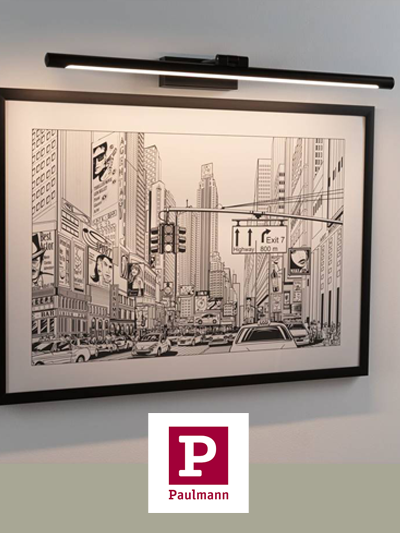
Artworks also easily find their place in this type of environment. Unlike a classic interior where paintings may be integrated into very traditional decorative frames, contemporary decor allows for more freedom.
A large artwork can be installed alone on a structured wall.
Several formats can also be combined to create a graphic composition.
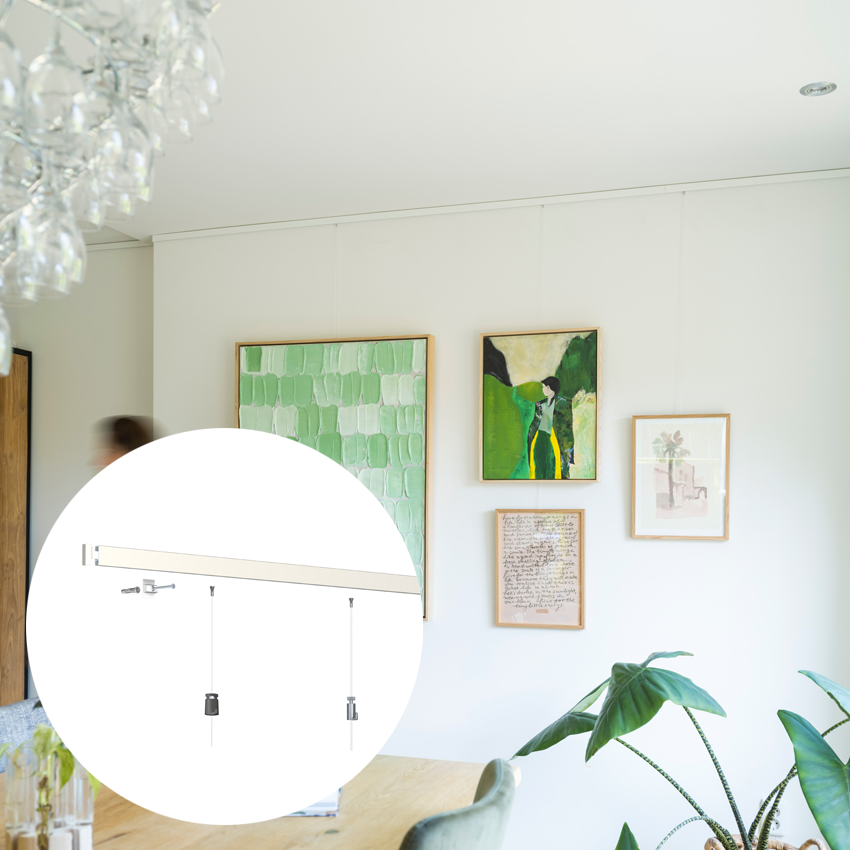
To maintain this flexibility, a picture rail is particularly practical.
It allows for changing the arrangement of artworks without having to re-drill holes in the walls. The architectural decor therefore remains intact while the collection can evolve.
In a modern interior, this solution also allows for regularly playing with formats and compositions.
12. A contemporary office with real character
Offices and professional spaces can also benefit from this approach.
A modern work environment must be functional, but that doesn't mean it has to be impersonal.
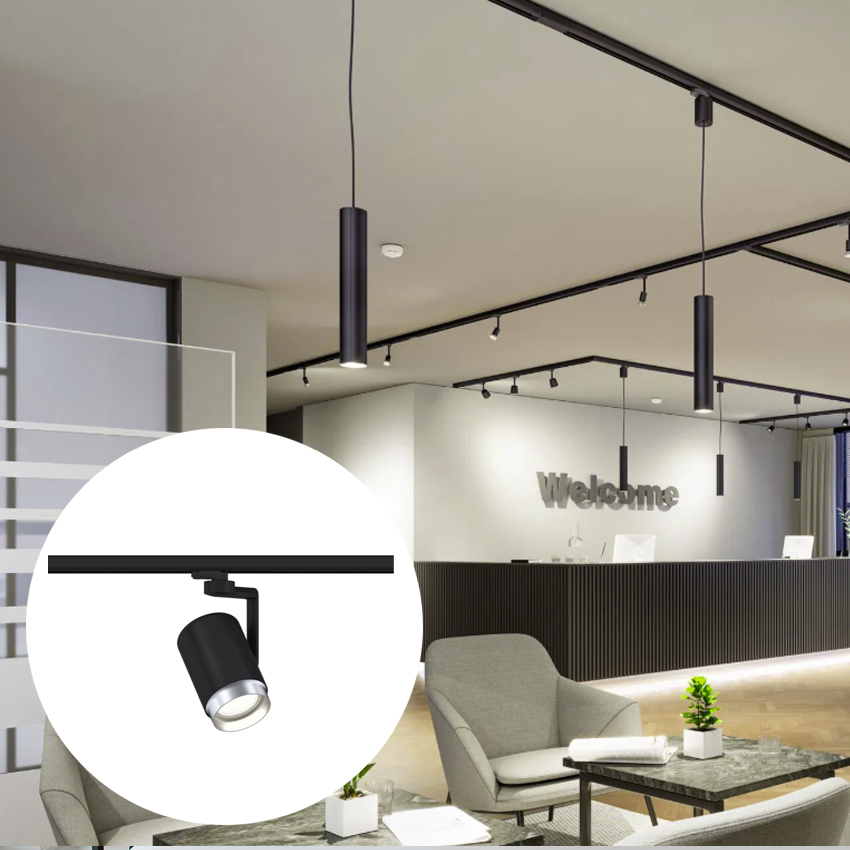
A wall structured with decorative profiles can add character to a meeting room, a reception area, or an executive office.
A very understated composition can be combined with the company logo, a work of art, or simply indirect lighting.
The result is particularly interesting in spaces where the goal is to create a sense of quality without multiplying decorative elements.

12. A contemporary office with real character
Offices and professional spaces can also benefit from this approach.
A modern work environment must be functional, but that doesn't mean it has to be impersonal.
A wall structured with decorative profiles can add character to a meeting room, a reception area, or an executive office.
A very understated composition can be combined with the company logo, a work of art, or simply indirect lighting.
The result is particularly interesting in spaces where the goal is to create a sense of quality without multiplying decorative elements.

How to integrate Orac into a modern decor without overdoing it?
The main risk when working on a decorative wall is overdoing it. A few rules can help maintain a contemporary result.
Choose only one strong focal point
Instead of decorating all the walls, select one surface that will become the focal point of the room.
Prioritize simple compositions
In a modern interior, a few well-placed lines can have more impact than a very complex composition.
Use color to enhance the effect
Tone-on-tone will give a subtle result. Greater contrast will draw more attention to the wall.
Work on the lighting
Light can reveal textures and completely change the ambiance. Therefore, it should be considered from the design stage of the decor.
Leave space around it
A decorative wall needs to breathe. Avoid filling every available inch with paintings, furniture, or objects.

How to integrate Orac into a modern decor without overdoing it?
The main risk when working on a decorative wall is overdoing it. A few rules can help maintain a contemporary result.
Choose only one strong focal point
Instead of decorating all the walls, select one surface that will become the focal point of the room.
Prioritize simple compositions
In a modern interior, a few well-placed lines can have more impact than a very complex composition.
Use color to enhance the effect
Tone-on-tone will give a subtle result. Greater contrast will draw more attention to the wall.
Work on the lighting
Light can reveal textures and completely change the ambiance. Therefore, it should be considered from the design stage of the decor.
Leave space around it
A decorative wall needs to breathe. Avoid filling every available inch with paintings, furniture, or objects.

Orac in a Modern Interior: A New Way to Think About Decorating
Decorative elements are no longer reserved for classic interiors. In modern decor, they can become true architectural tools: structuring a wall, emphasizing height, creating visual separation, integrating light, or highlighting a work of art. It is this freedom that makes Orac collections interesting for contemporary projects. The same profile can yield very different results depending on its arrangement, color, and surroundings. And above all, it's not necessary to do too much. A single well-worked wall, a graphic composition, or a luminous line can sometimes be enough to completely transform the atmosphere of a room.
Yes. Clean-lined profiles integrate particularly well into contemporary décor. They can be used to create graphic compositions, structure a wall, or integrate indirect lighting.
The choice of profile, its arrangement and its colour is essential. A geometric composition, a tone-on-tone effect or an association with contemporary furniture can create a very modern result.
Tone-on-tone is a safe bet for a subtle result. Dark shades like deep green, navy blue, or anthracite, on the other hand, create a more sophisticated ambiance.
Yes. It's even one of the most interesting combinations. The architectural lines provide relief, while the contemporary furniture maintains a sense of lightness.
Some profiles and cornices are designed to allow for indirect lighting. Light can be directed towards the ceiling or wall to create a soft, even ambiance.
Yes. A picture rail makes it easy to hang paintings and photographs while retaining the ability to change their arrangement. It can be installed discreetly so as not to disturb a minimalist composition.

Un profil cache-rideaux permet de dissimuler facilement une tringle ou un rail, tout en créant une finition élégante au plafond. Certains profils comme le Ledge d’Orac vont plus loin en intégrant é...

Comment créer une déco industrielle sans refaire tout son intérieur ?
Vous aimez le style industriel, mais votre intérieur n’a rien d’un ancien atelier ou d’un loft new-yorkais ? Bonne nouvelle : il n’est pas nécessaire de remplacer votre canapé, votre table, vos lum...

Accrochage sécurisé d’œuvres d’art à domicile : une prestation premium pour les collectionneurs
Vous venez de faire l’acquisition d’œuvres d’art et vous souhaitez les installer chez vous ? C’est pourquoi nous proposons une prestation d’accrochage et d’installation d’œuvres d’art à domicile, d...